A Slower Market Isn’t a Sleepy Market
Spring and summer seem to get all the attention. But fall? Well, it can also be a smart time to buy a home. Buyer traffic often slows, sellers may be more flexible, and changing weather can reveal what summer may have hidden. Let's count the reasons fall favors buyers.
- Fewer buyers mean less frenzy. As the spring and summer crowds thin, competition tends to diminish. Less pressure may also mean having more opportunity to compare your favorite listings before making one of life's biggest decisions.
- Your choices may expand. Fall can bring an increase in active listings, widening the field of homes, neighborhoods, features, and prices to consider.
- Sellers might be ready to talk. A home that didn't sell during the summer could have a more motivated owner, especially as the holidays draw close.
- Prices can cool, too. Fall often brings price reductions. That doesn't automatically mean something is wrong. Sometimes a seller is simply adjusting to the market.
- There may be more on the table. Repairs, closing-cost assistance, and home warranties could become part of the conversation. Real estate agents are expert negotiators and can help buyers assess the full range of opportunities.
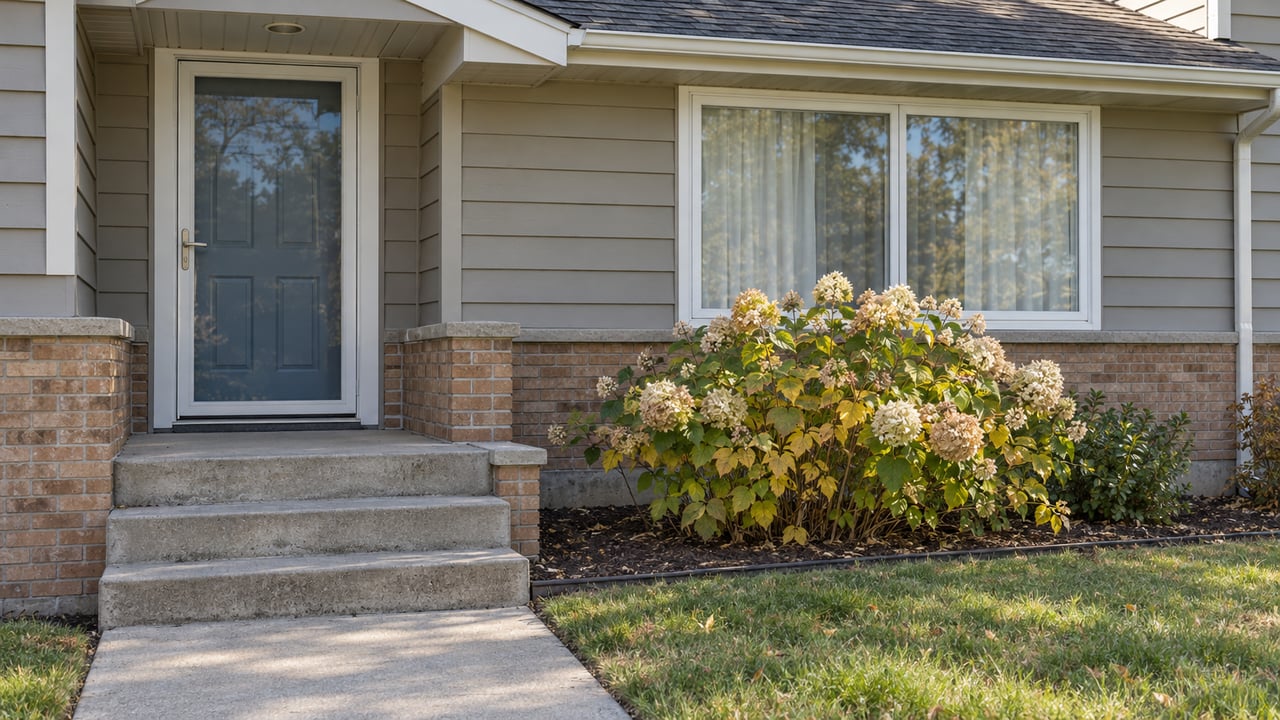
- Pretty distractions disappear. Once flowers fade and leaves fall, the house takes center stage. Drafts, drainage issues, clogged gutters, heating concerns, and other maintenance issues might be easier to notice and address during negotiations.
- Year-end deals could appear. Lenders sometimes offer incentives as the calendar year winds down. Closing before December 31 can also provide tax benefits, depending on current laws. As always, check with a qualified tax professional.
Put Your Financial Future on Firm Footing
Brick by brick. Payment by payment. Homeownership builds equity with lasting value. It's no surprise, then, that real estate has remained America's preferred long-term investment for 14 consecutive years. For many, a home lays the foundation for a more secure financial future in several ways.
- Accumulate equity with every mortgage payment.
- Benefit from potential appreciation.
- Gain more predictable housing costs.
- Enjoy the freedom to personalize a house.
- Plant roots in a community.
Confidence in the advantages of homeownership remains strong, too. According to a recent Bank of America Homebuyer Insights Report, 90% of Americans consider a home a wise investment, 94% associate owning a home with stability, and more than half say buying is preferable to renting or living with family.
Are you wondering what homeownership could mean for your future? A real estate professional can help you understand the numbers, explore the market, and find your next move.
Ready. Set. List!
Thinking about selling? Before the sign goes up outside, take a good look around inside. That messy closet, wonky doorknob, and family-photo-covered wall are begging for attention.
- Start with the stuff. Decide what's moving with you, then donate, sell, store, or toss the rest. You'll have less to pack, and buyers will see more space.
- Call your real estate professional. Ask which fixes are worth the time and money and which ones aren't. Accept their advice on rearranging furniture and simplifying decor.
- Prepare for showings. Clear countertops, tuck away personal items, and deep clean. Keep details on updates and maintenance in an easy-to-share format.
More Room, More Privacy, and Infinitely More Possibilities
Prospective buyers' interest in U.S. luxury real estate doubled early in 2026, according to a recent industry study. Increasingly, affluent buyers are prioritizing the following features.
- Larger homes and additional acreage
- Privacy and protected views
- Space for multigenerational living
- Distinctive properties with long-term value
Searches for unusual properties, including estates, castles, historic residences, and private islands, rose significantly year over year. Land searches also climbed close to 97%, and nearly 40% of surveyed luxury property specialists said buyers would accept a home in less-than-perfect condition for the right location.
The interest is global, too. International searches for U.S. luxury real estate saw a considerable increase, with California, New York, and Florida drawing the most inquiries.
The takeaway? Luxury is clearly becoming less about flawless finishes and more about what can't be replicated — land, location, legacy, and room to live large.
Can You Write Off That Reno?
A renovated kitchen may improve your home — and your mood — but will it also benefit your tax bill?
Repairs and updates are generally personal expenses. However, some projects may deliver tax advantages.
- Improvements that add value, extend the home's life, or adapt spaces to a new use may reduce taxable gain when you sell the house.
- Certain medically necessary modifications may be fully or partially deductible, depending on how much they increase your home's value.
- Enhancements to a qualifying home office or rental property may receive special tax treatment depending on the nature of the work.
Before counting on a tax benefit, consult a financial professional. Always save contracts, receipts, permits, and project records.
What about energy upgrades?
Federal residential energy credits are generally unavailable for projects placed in service after December 31, 2025. However, state, local, or utility incentives may still be available.