If you want to sell your Farmington home next season, the best time to start is probably earlier than you think. Many sellers wait until the yard greens up or the calendar flips to spring, then rush through repairs, pricing, and paperwork. A calmer plan can help you show better, price smarter, and avoid last-minute stress. Let’s dive in.
Why early planning matters in Farmington
Farmington is still a competitive market, but it is not a market that rewards guesswork. In May 2026, Redfin reported a median sale price of $380,272, homes selling in about 27 days, and a 98.7% sale-to-list ratio. About 32.0% of homes sold above list price, which shows real demand.
At the same time, pricing has become more sensitive. Mortgage rates remain a major factor for buyers, with Freddie Mac reporting a 30-year fixed rate of 6.47% for the week ending June 18, 2026. When monthly payments feel tighter, buyers tend to notice overpricing faster.
That is why planning ahead matters. You want enough time to prepare the home, review disclosures, and launch with a price that reflects current buyer behavior, not just hopeful list-price headlines.
When to start for next season
If you are aiming for a spring listing, do not wait until spring to begin. National timing data in the research points to late March through mid-May as a strong selling window, with the end of April often standing out. Realtor.com also identified April 12 through 18, 2026 as the best week to sell nationally.
For most Farmington sellers, a practical timeline is to start about 60 to 90 days before your target list date. That gives you room to declutter, schedule contractors if needed, gather paperwork, and make thoughtful pricing decisions.
A rushed listing can still sell, but a prepared listing usually shows better and feels more polished from day one. In a market where homes can move in a few weeks, that early momentum matters.
Focus on the prep that buyers notice
The highest-value pre-listing work is often simpler than people expect. Buyers tend to notice cleanliness, condition, and layout first. That means decluttering, removing personal items, improving lighting, and taking care of visible repairs can go a long way.
Start with the basics:
- Deep clean the home
- Clear countertops and storage areas
- Remove excess furniture if rooms feel crowded
- Patch minor wall damage
- Replace burned-out bulbs
- Address obvious maintenance issues
These steps help buyers picture the space more clearly online and in person. They also support better photography, which is especially important since many buyers form their first impression from the listing itself.
Curb appeal still counts
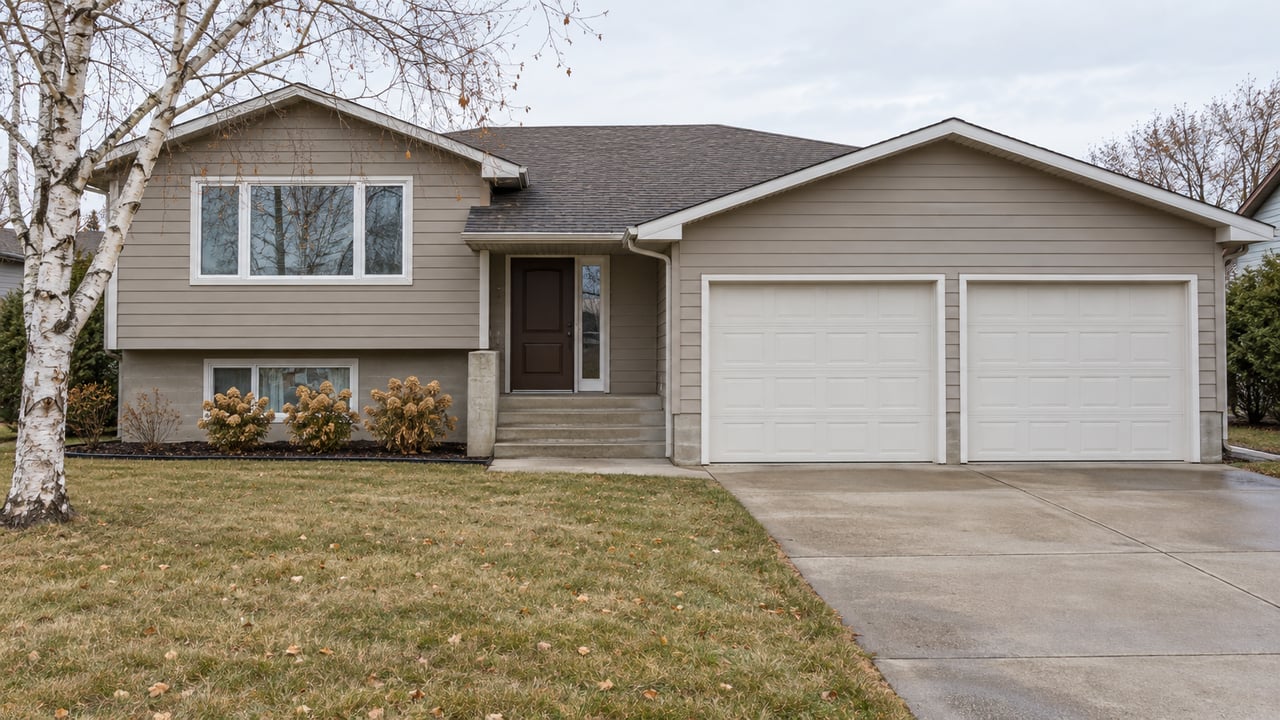
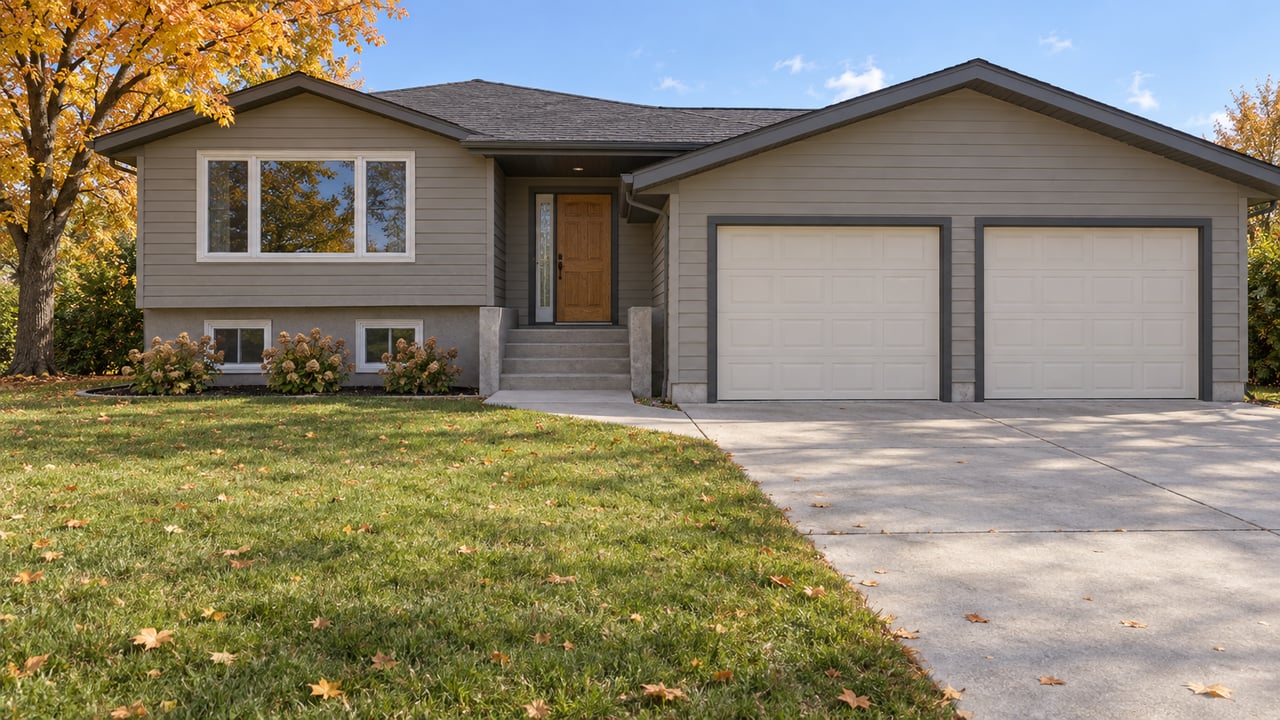
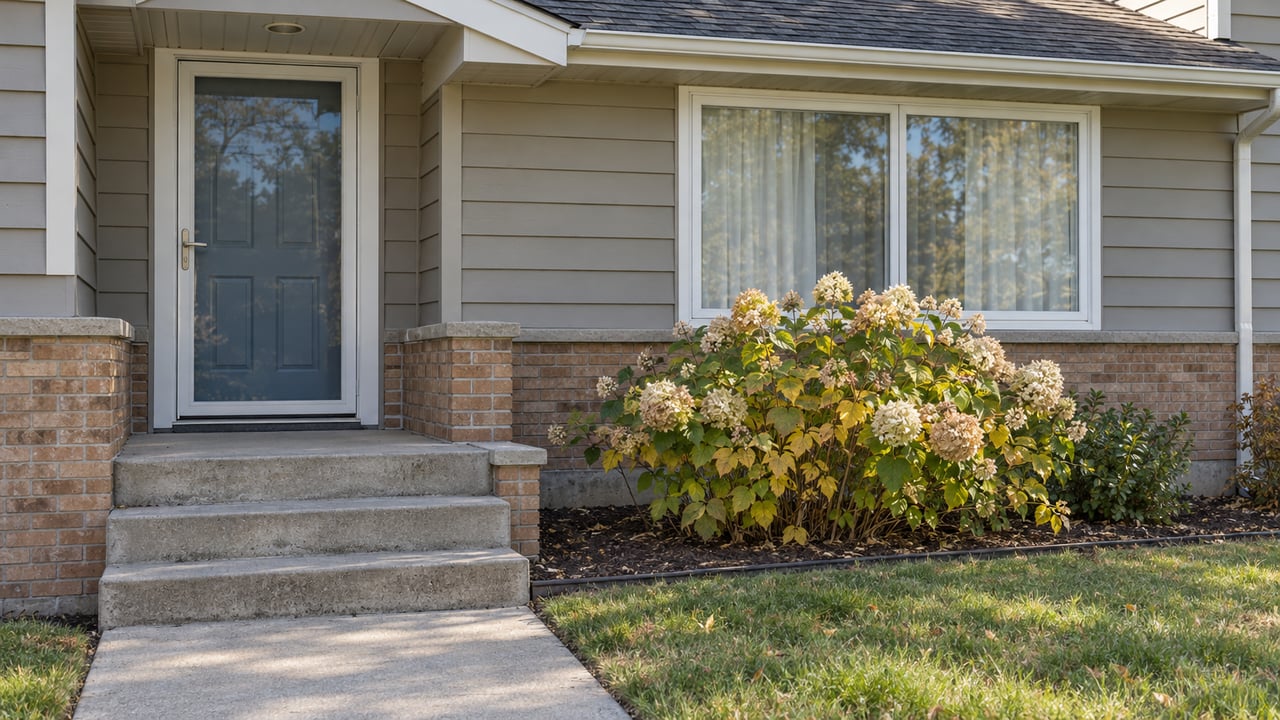
Exterior presentation matters just as much as interior prep. Redfin recommends simple tasks like picking up seasonal debris, pressure-washing walkways, mowing, cleaning gutters, and refreshing mulch.
For a Farmington homeowner, that often means low-cost polish is a smarter first move than a major renovation. If your home is already in solid shape, a clean, well-kept exterior can help signal that the property has been maintained.
Be selective with bigger updates
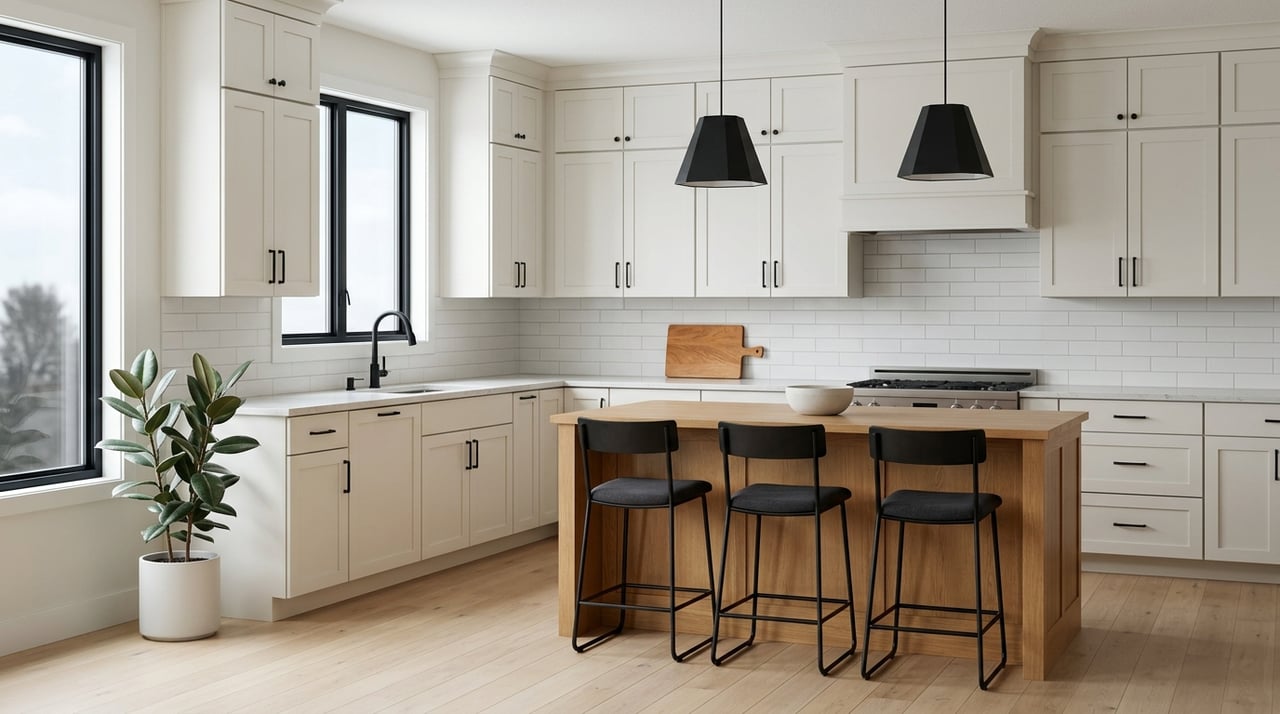
Not every project needs to happen before you list. Buyers do value features like updated kitchens, bathrooms, and major systems in good condition, but large renovations can be expensive and time-consuming.
A better strategy is to focus on issues that affect confidence. If the roof, HVAC, plumbing, electrical, or other major systems raise questions, those items may deserve attention first. A pre-list inspection can help you decide what is worth fixing before launch and what may not provide enough return.
Know when Farmington permits may apply
If you are thinking about tackling exterior or structural work before listing, check permit requirements early. Farmington’s Building Inspections Department administers the Minnesota State Building Code and requires permits for construction, alteration, repair, relocation, enlargement, demolition, or a change of use or occupancy.
The city specifically flags projects such as:
- Additions
- Decks
- Sheds larger than 200 square feet
- Siding work
- Roofing work
- Window work
- Finishing previously unfinished spaces
This is one more reason to avoid leaving everything until the last two weeks. If a project needs city approval, contractor scheduling and permit timing can affect your launch date.
Price for the market you have
One of the biggest mistakes sellers make is treating active listing prices as the same thing as market value. In Farmington, the numbers in the research show why that can be misleading.
Redfin reported a median closed sale price of $380,272 in May 2026. Zillow’s Farmington home value figure was $405,177 as of May 31, 2026. Realtor.com showed a $454,000 median listing price in its active inventory snapshot. Those numbers are not necessarily in conflict, but they measure different things.
The practical takeaway is simple: recent closed sales matter most when setting a price. Active listings show competition, but closed sales show what buyers have actually agreed to pay.
Overpricing is riskier now
Farmington remains active, but buyers are not ignoring pricing mistakes. Redfin reported that 30.9% of Farmington homes had price drops in May 2026. That is a strong reminder that the market can still be competitive while also pushing back on unrealistic pricing.
A good pricing strategy should consider:
- Recent closed comparable sales
- Current competition in your price range
- Property condition and updates
- Buyer payment sensitivity tied to mortgage rates
- How quickly you want to sell
With homes selling close to list on average, the goal is not to leave money on the table. The goal is to price in a way that attracts serious attention early, when your listing is freshest.
Get disclosures ready before you list
Minnesota requires sellers of residential real property to make a written disclosure before signing an agreement to sell. That disclosure must include material facts the seller knows that could adversely and significantly affect an ordinary buyer’s use and enjoyment of the property or the buyer’s intended use.
In plain terms, this means it is smart to gather information early. If you wait until a buyer is already interested, paperwork can become rushed and stressful.
A strong pre-listing file may include:
- Seller disclosure information
- Repair and maintenance records
- Permit records for completed work
- Utility or system information
- Well documentation, if applicable
Having these items ready can make the listing process smoother and help you answer buyer questions with confidence.
Radon deserves early attention in Minnesota
Radon is an important Minnesota-specific issue. State requirements say sellers must disclose any knowledge of radon concentrations and provide the Minnesota Department of Health publication Radon in Real Estate Transactions.
The Minnesota Department of Health says radon testing is not required during a sale, but it is highly recommended. The agency also recommends testing before a home is listed so you have time to address any issue if needed. That can be especially relevant in Minnesota, where MDH notes that 2 in 5 tested homes show major-risk levels.
Well disclosure may apply
If your property has a well, Minnesota law also requires well disclosure. That is another reason to start organizing your documents early rather than waiting until the home goes live.
Build a simple seller timeline
If you are planning to sell next season, a step-by-step plan can keep the process manageable. Here is a practical way to think about it.
60 to 90 days before listing
- Meet with your agent for a pricing and prep consultation
- Walk through the home and make a repair checklist
- Decide whether a pre-list inspection makes sense
- Gather records for repairs, permits, radon, and well information if applicable
- Start decluttering room by room
30 to 45 days before listing
- Finish minor repairs and touch-ups
- Complete deep cleaning
- Tidy landscaping and exterior maintenance
- Confirm any permit-related work is handled properly
- Review disclosure forms and supporting documents
Final 2 weeks before listing
- Remove remaining personal items
- Fine-tune staging
- Prepare the home for photography
- Review pricing based on the newest comparable sales
- Finalize launch timing and showing plan
This kind of timeline helps you stay in control. It also gives you a better chance of coming to market with fewer loose ends.
Why a local strategy matters
Selling in Farmington is not just about following generic advice. It is about reading current local conditions, understanding how your home fits the market, and knowing which updates are worth your time.
That is where experience can make a real difference. A local, relationship-first approach can help you weigh pricing, timing, prep, and presentation without overcomplicating the process. Some homes need straightforward listing prep, while others may benefit from a more elevated marketing approach and broader distribution.
If your goal is to sell next season with less stress and a clearer plan, the smartest move may be to start the conversation now. A little runway today can help you make stronger decisions when listing time arrives.
If you are thinking about selling in Farmington or the southern Twin Cities suburbs, Michael Finstad can help you build a smart plan, price with confidence, and prepare your home for the market with a steady, local-first approach.
FAQs
When should you start preparing to sell a Farmington home next season?
- A good planning window is about 60 to 90 days before your target list date so you have time for decluttering, repairs, disclosures, and pricing strategy.
What pre-listing projects matter most for a Farmington home sale?
- The highest-impact tasks are usually cleaning, decluttering, lighting improvements, visible minor repairs, and curb appeal work rather than automatic major renovations.
How should you price a Farmington home for next season?
- The best pricing approach is to rely on very recent closed comparable sales, current competition, home condition, and buyer budget sensitivity rather than active listings alone.
What seller disclosures are required when selling a home in Minnesota?
- Minnesota requires a written seller disclosure before signing an agreement to sell, covering material facts the seller knows that could significantly affect a buyer’s use or enjoyment of the property.
Should you test for radon before listing a Farmington home?
- Minnesota does not require radon testing during a sale, but the Minnesota Department of Health highly recommends testing before listing so you have time to address any issues.
Do Farmington home improvement projects need permits before listing?
- Many do, including certain work involving additions, decks, sheds over 200 square feet, siding, roofing, windows, and finishing previously unfinished spaces, so it is wise to check with the city early.