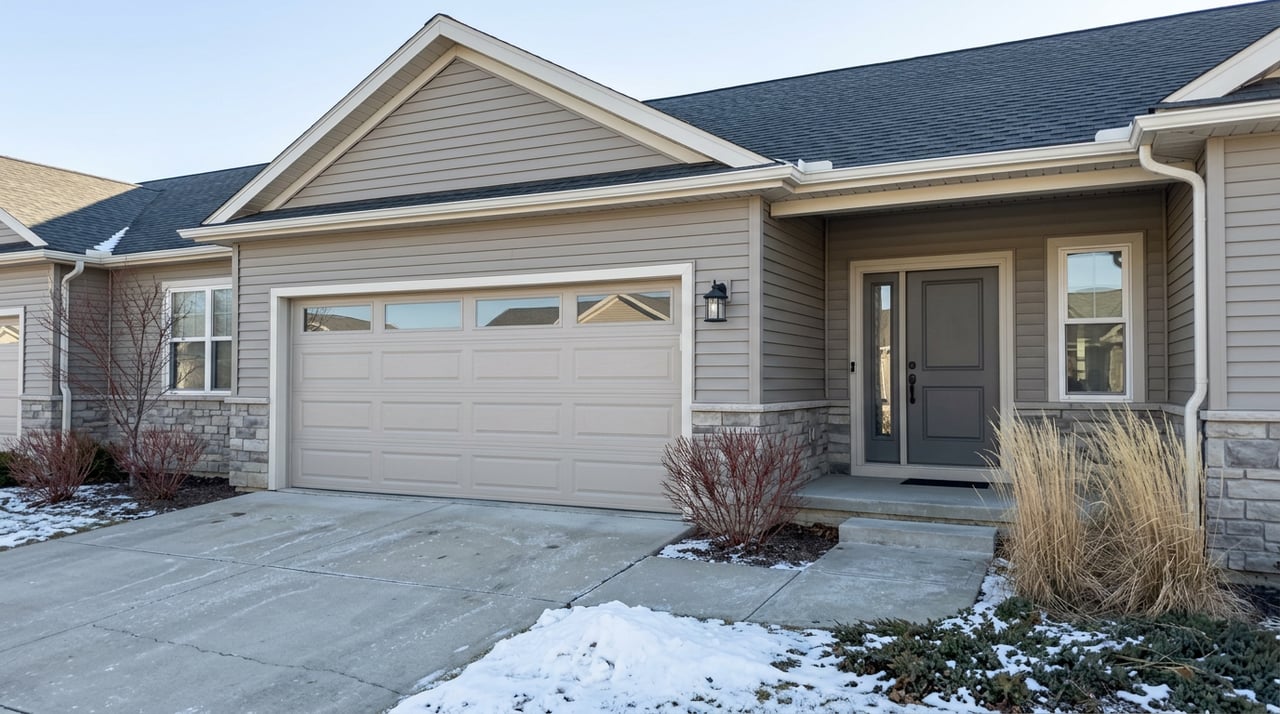
Trying to decide between a townhome and a single-family house in Apple Valley? You are not alone. Each option offers clear tradeoffs on cost, maintenance, space, and future resale. In this guide, you will get a simple, local-first way to compare both, plus quick checklists and neighborhood starting points to make a confident choice. Let’s dive in.
What fits your lifestyle today
Apple Valley gives you a wide mix of neighborhoods. You will find clusters of townhomes near Downtown Apple Valley and Galaxie Commons, and larger-lot single-family homes in areas like Cedar Knolls and parts of Cobblestone Lake. Your best fit often comes down to how you live day to day.
- If you want lower-maintenance living, a townhome with HOA-covered exterior care can be a strong match.
- If you want a private yard, more storage, or room to expand, a single-family home usually delivers more control and space.
- If you plan to commute, consider proximity to major corridors and transit options before you choose.
What you can expect to pay
Prices in Apple Valley vary by neighborhood and property type. Aggregators often report different medians because they use different data and methods. Use neighborhood-level comps to compare a townhome and a house within the same area and school boundary.
Townhome prices: typical ranges
- Established townhomes in central areas often list in the roughly 250,000 to 320,000 range, depending on condition and the community.
- Newer or larger “executive” townhomes can price higher. For example, an Eagle Pointe spec shows a base price near 490,000 and an HOA around 354 per month. You can review the builder’s details on the Eagle Pointe spec page for context on pricing and dues in that community. See the Eagle Pointe townhome example.
Single-family prices: where they trend
- In higher-value Apple Valley neighborhoods, single-family medians commonly land in the 450,000 to 600,000 plus range.
- Some parts of the city align closer to the citywide medians. Always compare like with like by looking at recent MLS comps for your target neighborhood and home size.
HOA dues: what they usually cover
Townhome HOA dues in Apple Valley often fall in the 250 to 400 plus per month range. In many communities, dues cover exterior maintenance, lawn care, snow removal, common-area landscaping, and part of the hazard or building insurance. Coverage and costs vary by association. Review the HOA budget, reserve study, meeting minutes, insurance, and any recent or pending special assessments before you buy.
Monthly budget: simple, local examples
Budgeting is easier when you separate the mortgage from other ownership costs. Property taxes, HOA dues, maintenance, and insurance add up.
- Dakota County’s effective property tax rate is roughly 1 percent. To estimate, multiply value by about 1 percent, then confirm parcel-specific tax data before you make an offer. Check Dakota County property tax guidance.
- A common maintenance rule of thumb is 1 to 4 percent of the home’s value per year. Newer homes and HOA-covered exteriors often fall near the lower end, while older or larger detached homes may trend higher. See national context in Bankrate’s analysis of hidden costs. Review Bankrate’s maintenance overview.
Here are two planning examples for non-mortgage costs only. These are illustrations, not quotes.
Example A: Townhome at 300,000 with a 350 HOA
- HOA: about 4,200 per year
- Property tax: about 3,000 per year
- Maintenance at 1 percent: about 3,000 per year
- Total non-mortgage: about 10,200 per year, or 850 per month
Example B: Single-family house at 500,000 with no HOA
- Property tax: about 5,000 per year
- Maintenance at 2 percent: about 10,000 per year
- Total non-mortgage: about 15,000 per year, or 1,250 per month
These figures help you compare tradeoffs. An HOA shifts some exterior work into a predictable monthly fee, while a detached home gives you more control but leaves you with variable maintenance.
Space, storage, and privacy
In many Apple Valley neighborhoods, single-family homes average larger than most townhomes. It is common to see detached homes near 1,700 to 1,800 square feet or more, with townhomes often below that in the same area. There is overlap, though. You will find spacious townhomes in the 1,800 to 2,400 square foot range and smaller single-family homes. Verify size, layout, and storage on each listing.
- Townhome positives: less yard work, planned community feel, often newer systems or finishes in recent builds.
- Single-family positives: private yard, easier pet use, more flexibility for projects, and fewer shared walls.
Resale and risk factors
Resale often follows demand and supply. Detached single-family homes usually attract the broadest buyer pool across many suburbs, while townhomes and condos appeal to buyers who want location or lower maintenance. In either case, neighborhood, condition, layout, and HOA health drive resale results.
- For townhomes and condos, association health matters. Rising HOA or insurance costs, reserve shortfalls, or special assessments can weigh on values. It is smart to request HOA financials, reserve studies, and recent meeting minutes. National reporting shows how fee and insurance spikes have affected some markets. Read more on HOA and insurance pressures.
- For all homes, proximity to daily amenities, trails, and major employers influences demand. In Apple Valley, consider access to Lebanon Hills, the Minnesota Zoo, retail nodes, and transit.
Neighborhood starting points
Use these as a launchpad for tours and comps. Always compare within the same neighborhood or nearby areas with similar build eras and HOA structures.
Townhomes and low-maintenance
- Galaxie Commons: cluster of townhomes and condos, convenient to central Apple Valley.
- Downtown Apple Valley: walkable pockets with attached homes and smaller-unit options.
- Eagle Pointe: newer townhome product with modern finishes and published HOA details.
- Scott Highlands: examples of larger or executive-style townhomes.
Single-family and yard focus
- Cedar Knolls: established area with larger lots and detached homes.
- Cobblestone Lake: master-planned setting with a mix of detached and attached homes, trails, and lake access.
Which is right for you
Use these quick checklists to match your life stage and priorities.
First-time buyer checklist
- Target payment and total monthly carrying costs, including HOA if applicable.
- Maintenance tolerance and time available for chores.
- Flexibility needs, like rental caps or pet rules in HOAs.
- Neighborhoods to explore: Downtown Apple Valley, Galaxie Commons.
Busy professional checklist
- Low-maintenance living and predictable monthly costs.
- Commute time to major corridors and transit access.
- Parking and guest parking convenience.
- Neighborhoods to explore: Galaxie Commons, newer townhome pockets near main routes.
Downsizing or move-down checklist
- Main-floor living or minimal stairs, plus storage for seasonal items.
- HOA rules on guests and visitor parking.
- Desire for community amenities and lock-and-leave convenience.
- Many older buyers value lower maintenance in attached homes, which aligns with national buyer trends. See NAR’s generational insights.
- Neighborhoods to explore: Scott Highlands, Eagle Pointe, select townhome enclaves.
How to compare two homes in 15 minutes
Print this and bring it to showings.
- Price and total monthly carry: mortgage estimate, taxes, HOA dues, insurance.
- HOA details, if attached: what is included, last fee increase, reserve balance, recent assessments.
- Age and condition check: roof, siding, HVAC, windows, driveway, decks.
- Layout and storage: bedroom count, bathroom count, garage size, closets.
- Outdoor needs: yard size, snow removal plan, landscaping effort.
- Rules review: rental caps, pet policy, short-term rental restrictions.
- Location fit: commute time during peak, access to parks, trails, and retail.
Choosing well starts with clear comparisons. If you want a side-by-side, neighborhood-specific breakdown for Apple Valley, reach out. You will get calm, practical guidance, local comps, and a plan that fits your timeline.
Ready to compare real options in Apple Valley with a local advisor by your side? Connect with Michael Finstad for a friendly, no-pressure consultation and a neighborhood-level pricing plan.
FAQs
What do Apple Valley townhome HOAs usually include?
- Many cover exterior maintenance, lawn care, snow removal, common landscaping, and part of hazard or building insurance, but coverage varies by association.
How do Dakota County property taxes affect my budget?
- A rough 1 percent effective rate means a 400,000 home would carry about 4,000 per year before any homestead or parcel-specific adjustments you should confirm.
Are townhomes cheaper than houses in Apple Valley?
- Entry and established townhomes often list below many single-family homes, but newer or larger townhomes can price near or above some detached resales, so compare by neighborhood.
What HOA documents should I review before buying a townhome?
- Ask for the budget, reserve study, meeting minutes, insurance details, and a record of any recent or pending special assessments.
How does resale potential differ for townhomes vs houses?
- Detached homes often have a broader buyer pool, while townhomes rely more on HOA health and location; condition, layout, and neighborhood drive outcomes for both.