Thinking about leaving Minneapolis or Saint Paul for more space? If Eagan is on your shortlist, you are probably weighing a familiar tradeoff: more room and a suburban layout versus the walkability and older housing character of the city. This guide will help you compare housing, commute patterns, lifestyle, and everyday feel so you can decide whether Eagan fits the way you want to live. Let’s dive in.
Why Eagan Feels Different
Eagan is a mature south metro suburb, not an urban neighborhood. According to Census Reporter’s profile for Eagan, the city has 67,238 residents across 31.2 square miles, with about 2,156.5 people per square mile.
That is a very different density from Minneapolis and Saint Paul. The same source shows Minneapolis at 7,936.6 people per square mile and Saint Paul at 5,915.4, which helps explain why Eagan generally feels more spread out, quieter, and more car-oriented.
If you are relocating from the core cities, that shift affects more than your address. It changes how you get around, the type of home you are likely to buy, and what daily life feels like once you settle in.
Eagan Home Prices Compared
One of the biggest questions buyers ask is whether Eagan is more affordable than Minneapolis or Saint Paul. The short answer is: not always.
As of February 2026, Redfin’s Eagan housing market data shows a median sale price of $412,000 in Eagan. That compares with $320,000 in Minneapolis and $293,447 in Saint Paul.
So if you are moving purely to lower your purchase price, Eagan may not be the obvious budget play. In many cases, you are paying for a different kind of housing and land use pattern rather than simply buying cheaper real estate.
What Buyers Are Paying For
The same Redfin Eagan market guide breaks the market down further:
- Median single-family sale price: $485,000
- Median townhome sale price: $272,424
- Median condo or co-op sale price: $195,000
That range matters if you are trying to balance price, space, and maintenance. Many buyers moving from Minneapolis or Saint Paul find that Eagan offers more detached-home options, but often at a higher entry point than the citywide medians they may be used to seeing.
How Eagan Stacks Up to City Neighborhoods
A neighborhood-by-neighborhood comparison can be more useful than a citywide average. Recent Redfin neighborhood data shows Longfellow at $340,000 and Nokomis at $356,000 in Minneapolis, while Macalester-Groveland is $440,000 and Highland is $543,826 in Saint Paul.
That puts Eagan in an interesting middle ground. It can cost more than many south Minneapolis options, but less than some higher-priced Saint Paul neighborhoods.
Eagan Housing Stock and Home Style
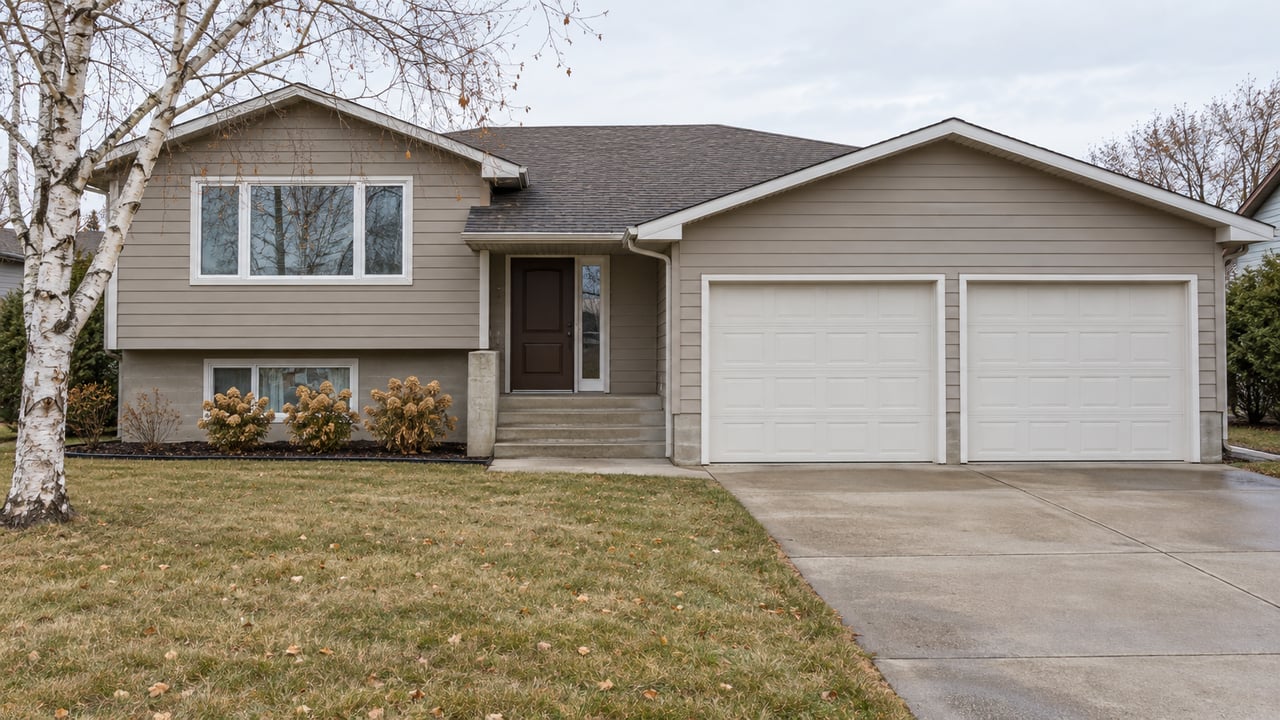
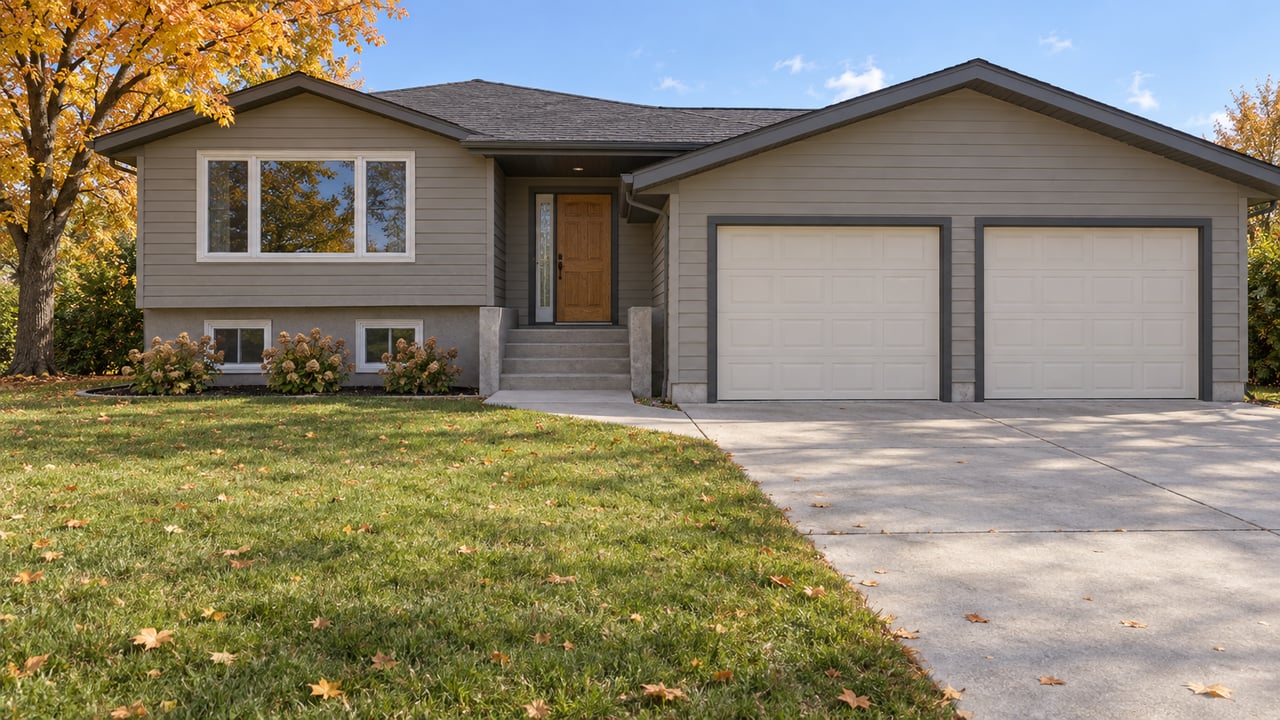
If you want a classic suburban setup, Eagan has a lot to offer. The city’s 2040 housing chapter notes that 52% of the housing stock is single-family detached, 22% is attached townhomes, and 26% is multifamily apartment-style housing.
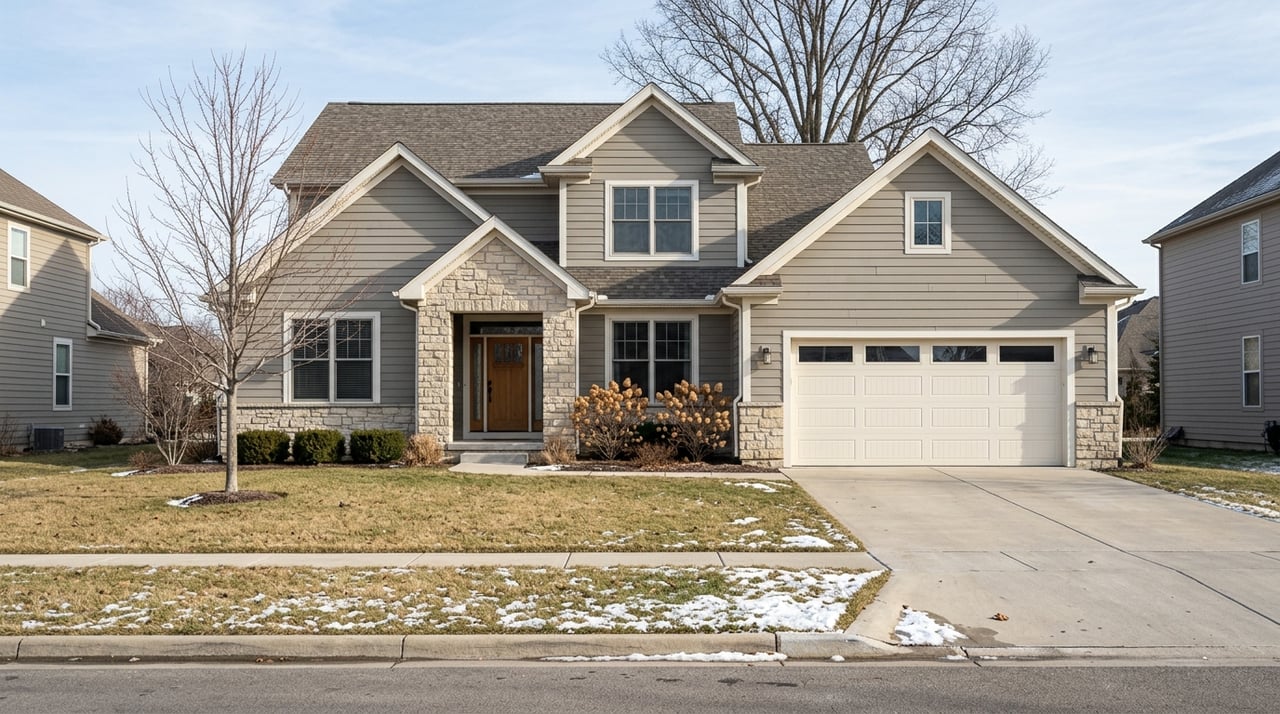
That mix creates a market where detached homes are a major part of the inventory. For many city buyers, that can mean a better chance of finding features like attached garages, larger lots, and subdivision-style streetscapes.
What the Homes Are Generally Like
Eagan’s housing stock is also relatively established. The city’s planning materials state that much of the housing was built from the late 1970s through the early 1990s, and less than 5% of the city’s land remains vacant for future development.
In practical terms, that often means mature landscaping and established neighborhoods rather than large waves of brand-new suburban construction. Future housing change is likely to come more from redevelopment than from major new subdivisions.
The city’s Northwest Central Commons planning work and Redfin’s Eagan guide point to areas around Yankee Doodle Road, Pilot Knob Road, and I-35E as places where mixed redevelopment may shape future housing choices.
The Main Tradeoff: Space vs Walkability
This is where the decision gets real for many buyers. Eagan usually gives you more suburban space, but less of the close-knit urban fabric that many Minneapolis and Saint Paul neighborhoods are known for.
Redfin lists Eagan’s Walk Score as 23, which it describes as not walkable. If you are used to nearby coffee shops, short blocks, older homes with varied architecture, and more errands on foot, Eagan will likely feel different right away.
By contrast, the research shows Longfellow as fairly walkable with a Walk Score of 78, while Macalester-Groveland and Highland also offer more walkable environments than Eagan. That does not make one setting better than the other. It simply means your day-to-day rhythm may change.
What You Gain in Eagan
Buyers moving to Eagan often prioritize:
- More detached-home inventory
- Attached garages and driveways
- Larger yards
- Established subdivision neighborhoods
- Strong park and trail access
- A suburban setting with easier access to south metro job centers
What You May Give Up
Relocating from Minneapolis or Saint Paul can also mean giving up some of the things that make city neighborhoods feel distinctive:
- Better everyday walkability
- More mixed-use blocks
- Historic housing styles and older urban character
- Denser street grids
- More housing variety on the same block
Commutes From Eagan
For many buyers, commute time is one of Eagan’s biggest strengths. Census Reporter shows Eagan’s mean travel time to work at 21.2 minutes, which is slightly below the metro average of 23.9 minutes and close to Minneapolis at 22.8 minutes and Saint Paul at 20.6 minutes.
That does not mean every trip is short, of course. But it does suggest that Eagan can work well for buyers who want a suburban home base without automatically signing up for a long regional commute.
Roads and Transit Options
The city’s streets and trails information highlights several major corridors that shape travel in and around Eagan, including I-35E, I-494, Highway 13, Highway 55, Highway 77/Cedar Avenue, Highway 149, and county roads like Cliff, Diffley, Lexington, Lone Oak, Pilot Knob, and Yankee Doodle.
Transit is also part of the picture, especially for some commuters. The same city source notes that MVTA and the Metro Red Line serve the area, Route 470 provides weekday express service from the Eagan Transit Station to downtown Minneapolis, and Route 436 offers MSP Airport service seven days a week.
Eagan Works Well for South Metro Jobs Too
Eagan is not just a place for downtown commuters. City transportation planning also identifies major employers in or near Eagan, including Thomson Reuters, Blue Cross Blue Shield of Minnesota, Ecolab, USPS, UPS, and Prime Therapeutics.
That matters if your work is already in the south metro, near the airport, or outside the downtown core. For some households, Eagan is appealing because it supports a reverse commute or keeps both partners closer to major job centers.
Parks, Trails, and Daily Lifestyle
If outdoor access is high on your list, Eagan makes a strong case. The city says it has 60 parks, 120 miles of trails, and 35 miles of sidewalk, and that no resident lives more than one mile from a park.
City materials also note more than 1,300 acres of parkland and nearly 1,200 waterbodies, wetlands, and ponds. That helps explain why Eagan often appeals to buyers who want a suburban setting with an established parks-and-trails network.
Amenities That Shape Everyday Life
The city’s recreation system includes places such as the Eagan Community Center, Eagan Civic Arena, Cascade Bay, and Central Park. Combined with the parks and trail system, those amenities support a lifestyle that is more spread out than city living but still active and connected.
If your ideal week includes neighborhood trails, park access, and more room to move, Eagan may line up well with your priorities. If your routine depends on walking to restaurants, corner stores, or mixed-use business districts, the adjustment may take more thought.
Schools and Education Options
For buyers who are comparing education options, Eagan is served by three school districts. The city lists District 196, District 191, and District 197, with District 196 being the primary public school system associated with Eagan.
According to District 196 information shared on the city’s education page, the district includes 16 elementary schools, four elementary magnet schools, six middle schools, four comprehensive high schools, and an environmental magnet high school. The same source also identifies Eagan-area schools such as Eagan High School, Black Hawk Middle School, Woodland Elementary, Pinewood Community Elementary, Oak Ridge Elementary, and Glacier Hills Elementary.
District 196 also offers AP, PSEO, and College in the Schools options at the high school level. In addition, the city lists private-school options including Faithful Shepherd Catholic School, Trinity Lone Oak Lutheran School, and Trinity School at River Ridge.
Is Eagan the Right Move for You?
Eagan tends to make the most sense if you are looking for a suburban south metro lifestyle with more detached housing, established neighborhoods, strong park access, and reasonable regional commute patterns. It is especially worth a close look if you want more space or if your work and daily life already pull you toward the south metro.
At the same time, the move is usually not just about buying more house for less money. In many cases, it is a tradeoff. You may gain yard space, garages, and trails, while giving up some walkability, mixed-use convenience, and older urban housing character.
The best move comes down to your routine, budget, and what you want daily life to feel like after the boxes are unpacked. If you want help comparing Eagan with Minneapolis, Saint Paul, or other southern Twin Cities suburbs, Michael Finstad can help you sort through the numbers and find the right fit for your next move.
FAQs
What is the biggest lifestyle difference when relocating to Eagan from Minneapolis or Saint Paul?
- The biggest shift is usually moving from a denser, more walkable city environment to a more suburban, car-oriented setting with more space and stronger park access.
Are home prices in Eagan lower than home prices in Minneapolis or Saint Paul?
- Not always. Current research shows Eagan’s median sale price is higher than the citywide medians in both Minneapolis and Saint Paul, though it may be less expensive than some higher-priced city neighborhoods.
What types of homes are common in Eagan for relocating buyers?
- Eagan’s housing stock includes a large share of single-family detached homes, along with townhomes and multifamily options, with many homes built from the late 1970s through the early 1990s.
Is Eagan a good choice for commuters working in Minneapolis, Saint Paul, or the south metro?
- Eagan can be a practical option for many commuters because of its regional road access, transit connections, and location near major south metro employers.
What should buyers know about parks and outdoor amenities in Eagan?
- Eagan has an extensive park system with 60 parks, 120 miles of trails, 35 miles of sidewalk, and broad access to parkland, wetlands, ponds, and recreation facilities.
What school districts serve buyers relocating to Eagan?
- Eagan is served by District 196, District 191, and District 197, and the city also lists several private-school options.