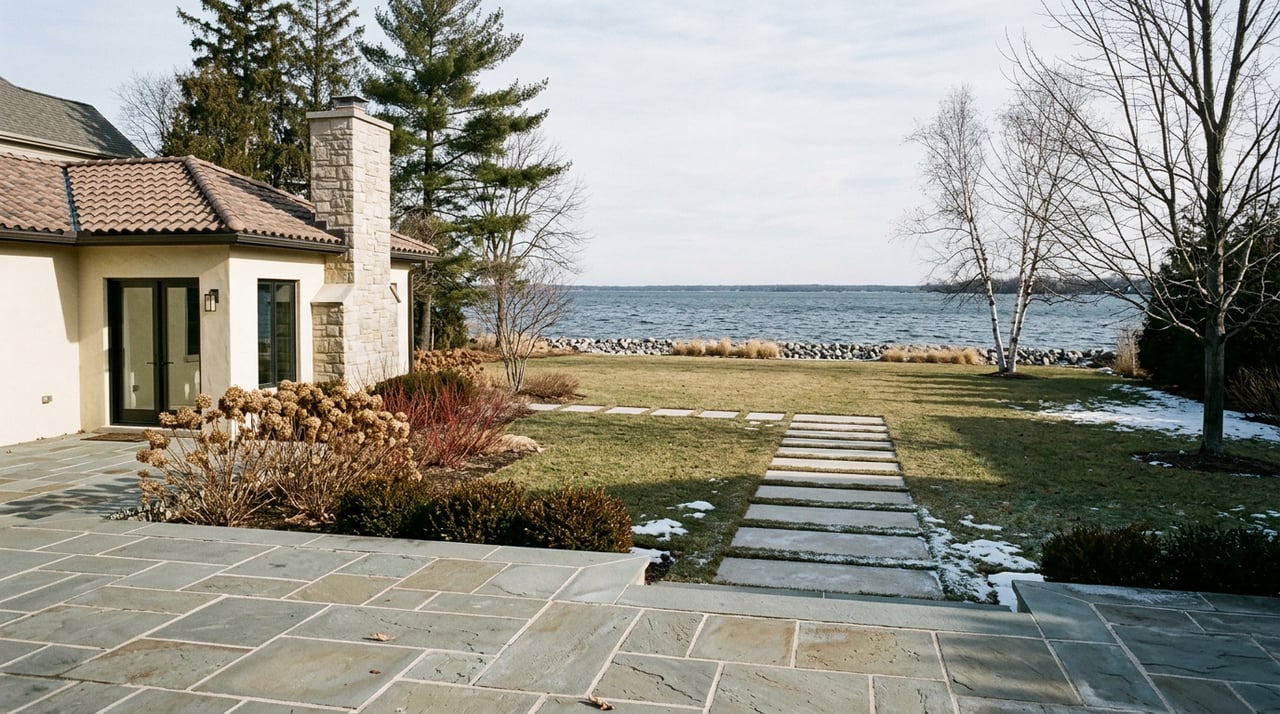
Picture this: you finish work, lace up your shoes, and in five minutes you’re walking a lakeside trail while the sun drops over the water. If you’re looking at homes in Lakeville, that’s a real part of daily life. Whether you want a quiet paddle, a family beach day, or miles of paths for biking and skiing, you’ll find options close to home. In this guide, you’ll learn where the best lakes and trails are, what nearby neighborhoods look like, and what to know before you buy or sell around the water. Let’s dive in.
Why lakes and trails matter in Lakeville
Lakeville is a fast-growing southern Twin Cities suburb with an estimated population near 78,000. Most households are owner-occupied, and incomes trend above state averages. That mix supports a strong parks system, steady community programming, and demand for homes near green space. For many buyers here, ready access to lakes, trails, and neighborhood parks is a top decision factor alongside schools and commute needs.
The lakes to know
Lake Marion: the city’s centerpiece
Lake Marion sits at the heart of the community and anchors much of Lakeville’s waterfront activity. You’ll find public boat and paddle access, a fishing pier, and picnic shelters at Casperson Park. Antlers Park on the southeast shore offers a sandy swim beach, playgrounds, and shaded picnic areas. Families often plan summer days around these two parks because they pair water, open space, and easy parking.
If you enjoy cycling, Casperson is also the trailhead for the West Lake Marion singletrack. And if you fish or boat, it helps to know the lake’s specifics. The Minnesota DNR notes aquatic invasive species on Marion and lists rules and “surface water use restrictions” on its LakeFinder page for Lake Marion. That page is a great resource for stocking updates, species, and access guidance.
For events, Casperson regularly hosts live performances and community gatherings. Pair a concert evening with a pre-show shoreline walk, then catch sunset over the lake on your way home.
Orchard Lake Beach: smaller, neighborhood feel
Orchard Lake offers a city-managed beach with a modest swim area, canoe and kayak storage, and a playground. It’s the kind of spot where you can squeeze in an hour by the water after dinner. Before you go, check the city’s Beaches and Splash Pad page for current water-quality advisories and season schedules.
Valley Lake and Prairie Lake parks: green space nearby
Valley Lake Park gives you trails, shoreline views, and a community park feel. The former beach area was removed due to recurring water-quality concerns and replaced with pollinator and park improvements, but the park still supports fishing and walking paths. Learn more on the Valley Lake Park page. Prairie Lake Park also serves nearby neighborhoods with open space and everyday play areas.
For a full view of park options across the city, browse Lakeville’s parks and facilities directory.
Trails and greenways that connect your day
Ritter Farm Park: nature in every season
Ritter Farm Park spans roughly 340 acres with wooded trails, prairie edges, and an environmental learning center. You can hike or ride equestrian trails in warmer months and return for groomed cross-country skiing and snowmobile loops in winter. It’s a go-to destination for morning walks, weekend nature time with kids, and low-impact exercise. Check hours, trail notes, and program details on the Ritter Farm Park page.
West Lake Marion Mountain Bike Trail
If singletrack is your thing, you’ll appreciate the West Lake Marion system. Maintained by local volunteers, its roughly 5 miles of beginner-to-advanced segments offer quick laps after work or a longer Saturday ride. The trailhead is at Casperson Park, which makes it easy to mix a ride with a picnic or lakeside cooldown. You can find maps and updates on the West Lake Marion Mountain Bike Trail page.
Lake Marion Greenway: a growing regional connector
Dakota County’s Lake Marion Greenway is a long-term plan to link Lakeville with Burnsville, Savage, and Farmington through about 20 miles of regional trail. Segments in Lakeville began construction in the early 2020s, and the corridor is unfolding in phases. This is a meaningful connectivity story for buyers and sellers because trails that tie neighborhoods to parks and town centers tend to see steady use and long-term appeal. You can track corridor details on the county’s Lake Marion project page.
Neighborhoods and homes near the water
Living near Lake Marion and the city’s parks gives you choices across price points and home styles:
- Waterfront estates and custom single-family homes line portions of the Lake Marion shoreline. These properties often command a clear premium due to frontage, views, and limited supply.
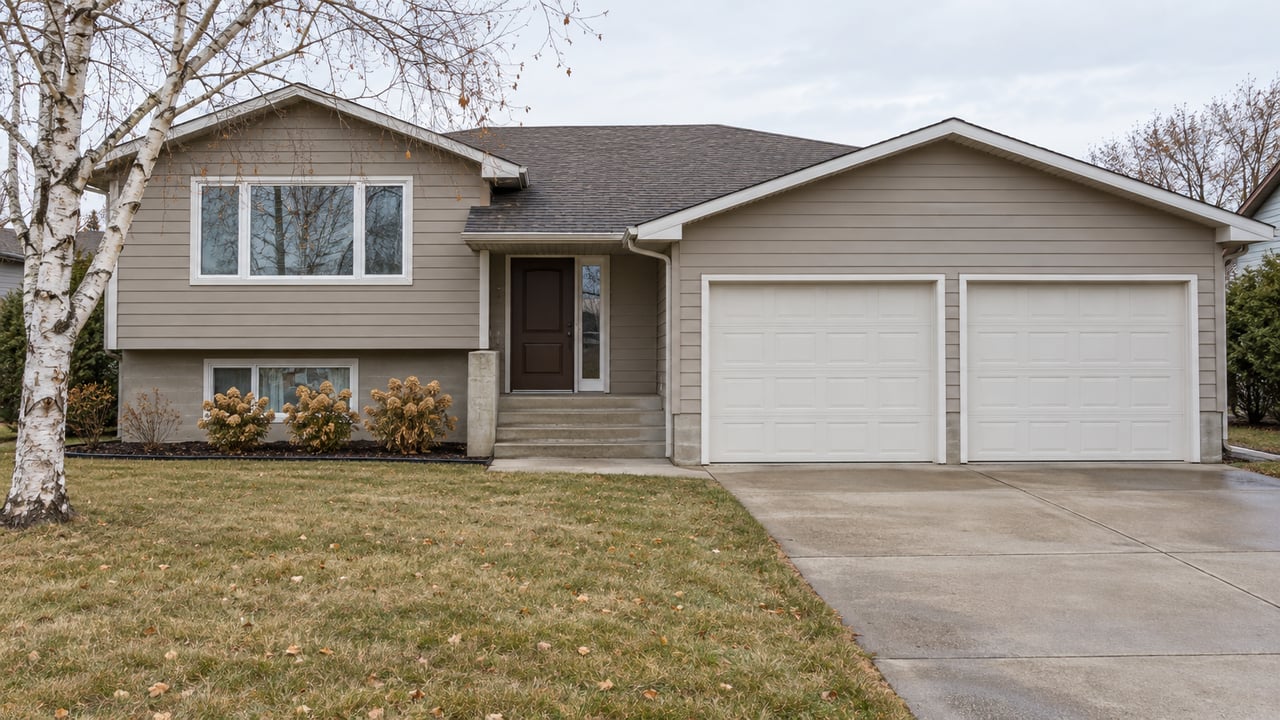
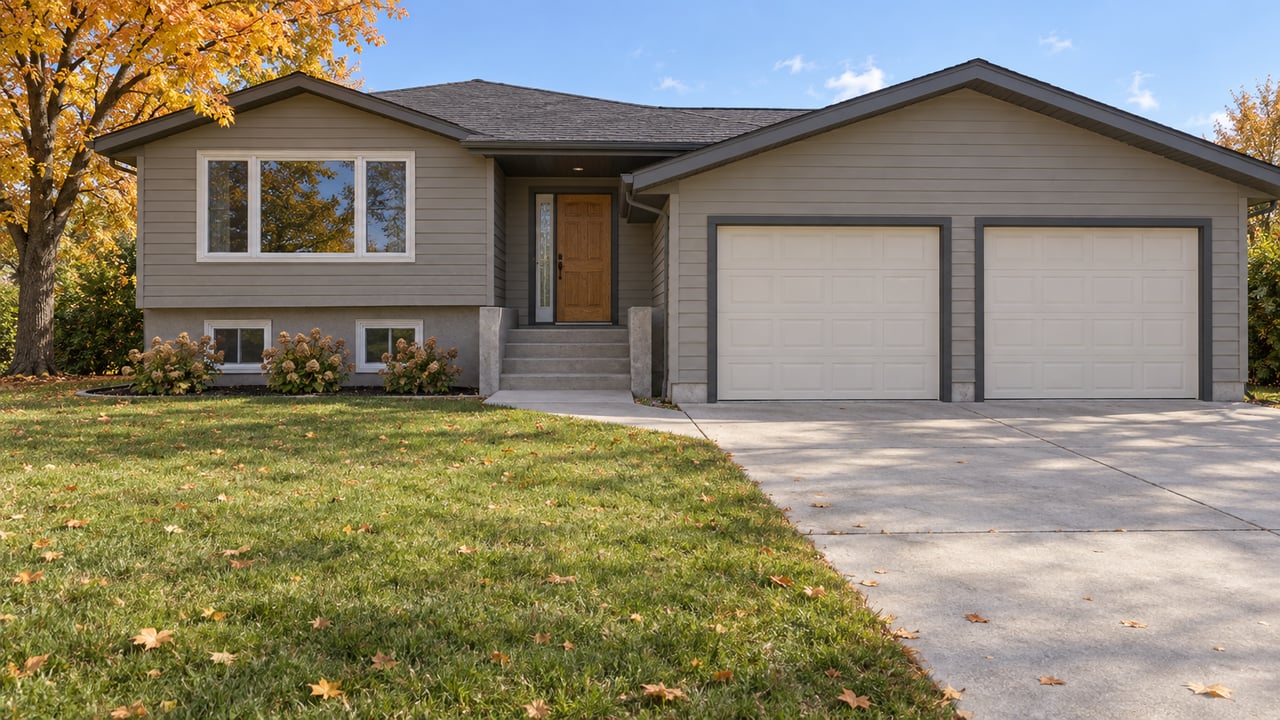
- Most neighborhoods within a short walk or bike ride of community parks feature traditional suburban single-family homes. Many families favor these areas for yards, playground access, and the ability to reach beaches or greenways without getting in the car.
- Attached options like townhomes, villa, or patio-style homes appear in select developments and nearby communities. These are attractive for downsizers who want trails and parks close by without the upkeep of a larger yard.
For context, recent market data shows the typical Lakeville home value in the mid-to-high hundreds of thousands, and Zillow’s index places it around 475,000 dollars as of early 2026. Waterfront and near-water properties can trade well above that. If you want a current snapshot by neighborhood or lakeshore segment, a local MLS review on the day you start searching is the best way to set expectations.
What lake-and-trail living looks like day to day
Families
Daily routines often include school drop-off, a stroller-friendly lap on a neighborhood path, and evening playground time. On warm weekends, you can swim at Antlers Park or Orchard Lake Beach, grill at a picnic shelter, and catch a community concert at Casperson. Youth events and seasonal programs add to the rhythm, giving you simple ways to spend time outside without a long drive.
Commuters
Lakeville sits along I-35 and is roughly 20 miles south of both downtown Minneapolis and St. Paul. The American Community Survey reports a mean commute near 24.6 minutes, so a typical buyer trades a manageable drive for more space, lake access, and trails. If you split your week between office and home, it’s easy to fit a quick bike ride or shoreline walk into the days you’re closer to home.
Retirees and downsizers
You may prioritize flat, paved paths, daily walks, and nature programs over boat ownership. In that case, look for homes near Ritter Farm, conservation areas, or neighborhood links to the Lake Marion Greenway. Townhome and villa-style layouts can offer single-level living while keeping you within minutes of parks and community events.
Practical tips before you buy or sell near the water
Know public vs. private access
Public beaches and boat launches are limited to specific sites. For Lake Marion, the public boat launch and amenities are at Casperson Park, while Antlers Park is home to a swim beach and play areas. Outside of these access points, much of the shoreline can be private. If you are considering a lakeside street, verify whether a property includes private docking rights or only views.
Check water quality and beach advisories
City beaches are sampled weekly for E. coli during swim season. Closures can occur, and they have historically. Valley Lake’s former beach was removed and replaced with park improvements due to long-term water-quality issues, which is a good reminder to confirm current conditions each summer. For updates and a full list of public swim sites, visit the city’s Beaches and Splash Pad page and the Valley Lake Park page.
Understand lake rules and invasive species
Marion has known aquatic invasive species, including Eurasian watermilfoil and zebra mussels. The DNR’s LakeFinder page for Lake Marion outlines surface-water use restrictions, access points, and fishery management. If you trailer a boat, follow “clean, drain, dry” basics to help protect local lakes.
Know shoreland permits and setbacks
Minnesota’s Shoreland Management Program sets statewide minimum standards that cities and counties administer. Vegetation removal, bluff protections, docks, and shoreline alterations often require permits and have setback rules. If you are planning improvements, start with the DNR’s overview of shoreland rules and history to understand the framework, then check Lakeville’s local ordinances. Read the state primer here: Minnesota shoreland management basics.
Quick buyer checklist for near-water homes
- Confirm whether the property includes private access, association rights, or only views.
- Review city beach advisories and any historical closures for nearby lakes.
- Read the DNR’s LakeFinder notes for lake rules, AIS presence, and fishery details.
- Ask about shoreland setbacks and permits before planning docks, lifts, or shoreline work.
- If the home is on a septic system or near a bluff, check records and any required inspections.
Selling near a park or lake? Highlight lifestyle access
When you list, spotlight everyday wins buyers value: a five-minute walk to a swim beach, direct access to the West Lake Marion singletrack, or a neighborhood path that connects to Ritter Farm. Include clear, labeled photos of park entrances, trailheads, and shoreline views. Link to the city’s parks directory in your digital listing to help buyers see the network.
Seasons on the water and trail
- Summer: Beach time at Antlers Park and Orchard Lake, paddling from Casperson, and concerts by the water. Always check the Beaches and Splash Pad page for current status.
- Fall: Shoulder-season mountain biking, cool-weather fishing, and color walks at Ritter Farm.
- Winter: Groomed cross-country ski trails and snowmobile loops make Ritter Farm an easy, close-to-home destination. Start with the Ritter Farm Park page for seasonal updates.
Ready to explore Lakeville life?
If lake access, trails, and neighborhood parks are on your wish list, it pays to pair on-the-ground insight with current market data. With more than 25 years serving families across the southern Twin Cities, I can help you compare neighborhoods, understand near-water tradeoffs, and plan the right move. For a friendly, no-pressure conversation and a clear plan, reach out to Michael Finstad.
FAQs
Where are Lakeville’s public swim beaches and are there lifeguards?
- City swim beaches are at Antlers Park and Orchard Lake Beach; there are no lifeguards and beaches are sampled weekly during the season. Check the city’s Beaches and Splash Pad page for advisories.
Where can you launch a boat on Lake Marion?
- The public boat launch, parking, and picnic facilities are at Casperson Park; Antlers Park offers a swim beach and shoreline amenities but no launch.
How will the Lake Marion Greenway affect neighborhood access?
- It is a phased regional corridor that will link Lakeville to nearby cities and parks over time; added connectivity can make it easier to reach trails and town centers. See Dakota County’s project page.
What home types sit on or near Lake Marion?
- You’ll find high-end waterfront estates and custom homes directly on the lake, with more typical single-family neighborhoods and some attached options a short walk or bike ride away.
Are Lakeville’s lakes swimmable and how are closures handled?
- Yes, but water quality is monitored weekly and closures can happen; Valley Lake’s former beach was removed due to long-term water-quality issues. Check the city’s Beaches and Splash Pad page before you go.
What does a typical Lakeville commute look like to the Twin Cities?
- Many residents use I-35 for a car commute, and the American Community Survey reports a mean travel time of about 24.6 minutes, making it a practical trade for more space and outdoor access.