More Than Move-In Ready
Strategies To Capture a Buyer's Heart
Buyers don't walk into a house dreaming of interest rates and amortization schedules. They walk in wondering how life would feel living there. They see a staircase that evokes images of their child descending the stairs dressed for prom. They turn a corner and discover a kitchen that conjures images of flipping pancakes on a relaxed Saturday morning. They're already falling in love.
For most people, buying a house is more than a financial transaction. In fact, 86% of buyers say their "gut feeling" about a home played an important role in their decision. Creating an emotional "yes" the moment buyers notice what makes the home special is what moves the needle from admiring a house to making it their new home.
A home that feels clean, bright, updated, and well-maintained inside and out can ignite immediate interest. It becomes a blank canvas for buyers to paint their life story.
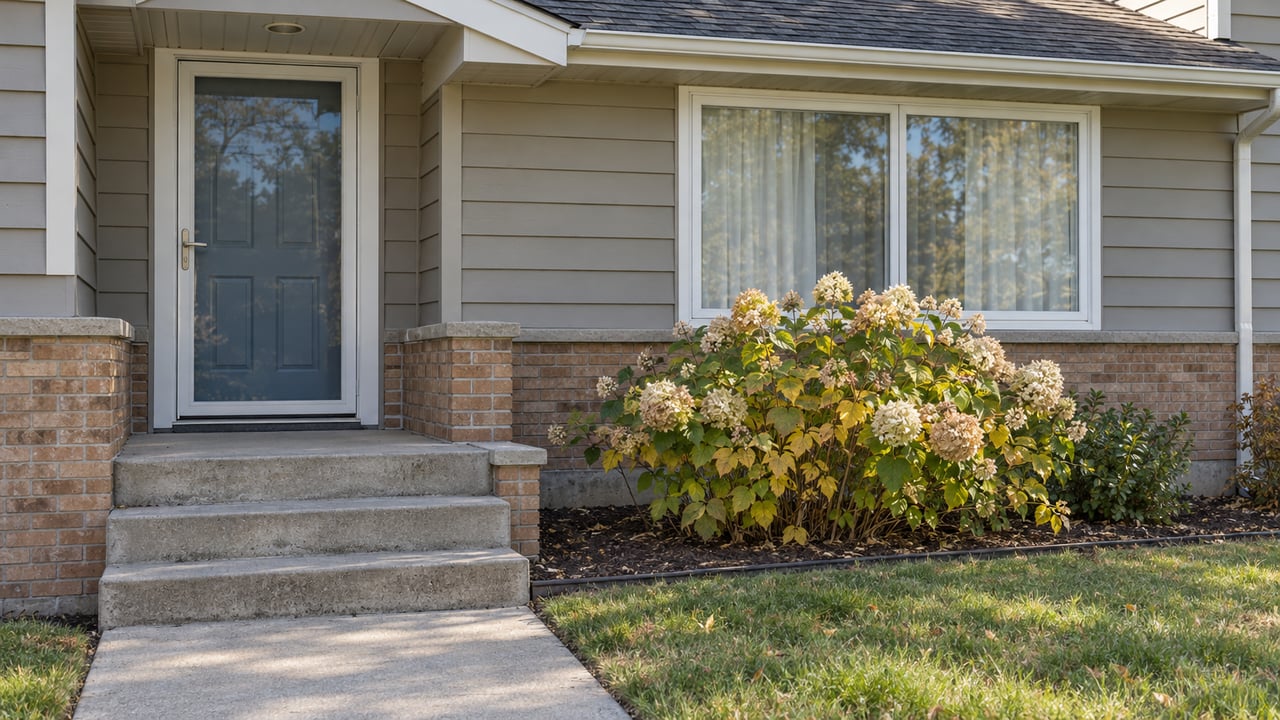
Fresh, neatly maintained landscaping sparks anticipation. Plants, flowers, shrubs, and lighting invite buyers in, making them feel like they're arriving somewhere truly unique and worth exploring.
A light and airy entryway wraps them in a warm welcome that makes a house instantly feel like home.
Thoughtfully arranged living spaces allow them to visualize curling up in their favorite chair with a good book or relaxing on their couch for a movie night. A classically styled fireplaceprompts thoughts of holidays and cozy winter evenings.
Primary bedroom serenity emanates from every thoughtful detail as buyers imagine a peaceful night's sleep.
An elegant powder room or a spa-like primary bathroom with intentional decor demonstrates how the everyday becomes extraordinary.
A peek at the outdoor living space shows them summer dinners where conversations linger as the sun sets.
Multi-Generational Properties in Demand
Throughout history, extended families often shared living space. The idea of residing independently as a nuclear family became widespread in industrialized Western countries over the past 150 years. Today, multi-generational living is gaining steam again as families rediscover the benefits of living together.
Multi-generational housing is one of the fastest-growing household arrangements in the U.S. In fact, 14% of buyers purchased multi-generational homes last year, and nearly 20% of Americans live with multiple generations, according to HousingWire.com.
Whether it's dual primary bedrooms, a lower-level apartment with a private entrance, or a backyard accessory dwelling unit, extended-family living arrangements offer communal spaces while still providing some privacy. Economists expect these designs to remain popular as families seek to maximize household resources and help aging relatives maintain independence.
For multi-generational home buyers, their future may look a lot like the past — just with smarter floor plans and a lot more personal space.
New Rules Help Renters Become Homeowners
If you've spent years paying rent on time, you've proven you can afford a home. Unfortunately, it's not YOUR home. Now, new lending rules are helping more renters turn a track record of monthly payments to their advantage. Maybe it's finally time to stop paying someone else's mortgage and start paying your own.
While most renters are financially responsible, historically, the credit-reporting system hasn't recognized that trustworthiness. Recently, however, the U.S. government announced a Fannie Mae and Freddie Mac pilot program that allows lenders to consider on-time rent and utility payments when reviewing credit scores.
This limited rollout enables certain lenders to use "VantageScore" ratings, which take rent and utility payments into consideration. This information can be used alongside — or instead of — traditional credit scores.
For potential first-time home buyers who've hit a roadblock due to a lack of credit history, the program could open the door to homeownership. It's best to work with a knowledgeable real estate agent who can help you navigate the new guidelines.
The Advantage You Deserve
House hunting is fun, but the actual buying process involves a lot more than paint colors and patios. Working with a real estate professional will help you spot opportunities, avoid surprises, and skip costly missteps.
A recent New American Funding survey found many homeowners wish they had a better understanding of these three things before purchasing.
- You may not need a 20% down payment. Some loan programs allow qualified buyers to put down far less.
- Down payment assistance and loan programs may help reduce upfront costs for qualified buyers.
- Sellers may be more open to negotiating price, repairs, or closing costs than many buyers expect.
Let's Have the Down Payment Conversation
Buying a home starts feeling a lot more realistic once you realize the down payment may not be as out of reach as you thought. Working with a real estate agent early can help you better understand your options, create a plan, and move forward with confidence. Here are a few practical ways to get started.
- Partner with a real estate agent to better understand financial expectations.
- Monitor your credit and look for opportunities to improve your score.
- Explore home buyer programs that may offer lower down payment options.
- Choose a mortgage lender who will help you find a loan that fits your situation.
- Automate monthly transfers into a dedicated home savings account.
- Cut one or two nonessential expenses and redirect the money toward your goal.