Built To Last
American Homes Through the Years
In the early years of a fledgling nation, most American homes were modest and utilitarian, built with hand tools and local materials. As the country matured, housing evolved right along with it. Influenced by everything from westward expansion and the Industrial Revolution to the mid-20th century population boom and the birth of the suburbs, American housing has undergone a remarkable transformation.
Small wood-frame houses and log cabins, centered around a hearth for both heating and cooking, were typical in 1776. As the country expanded over the next century, homesteaders settled the West while the eastern cities grew. Urban housing began to reflect new prosperity, as Victorian and Italianate styles featured larger floor plans and ornate details.
By the early 1900s, luxuries such as indoor plumbing had become more commonplace. Kitchens began to look less primitive and more recognizable by today's standards. The American foursquaresignified a shift from opulence to function, while Craftsmandesigns emphasized natural, handcrafted beauty. Bungalowsoffered an affordable option for the growing middle class.
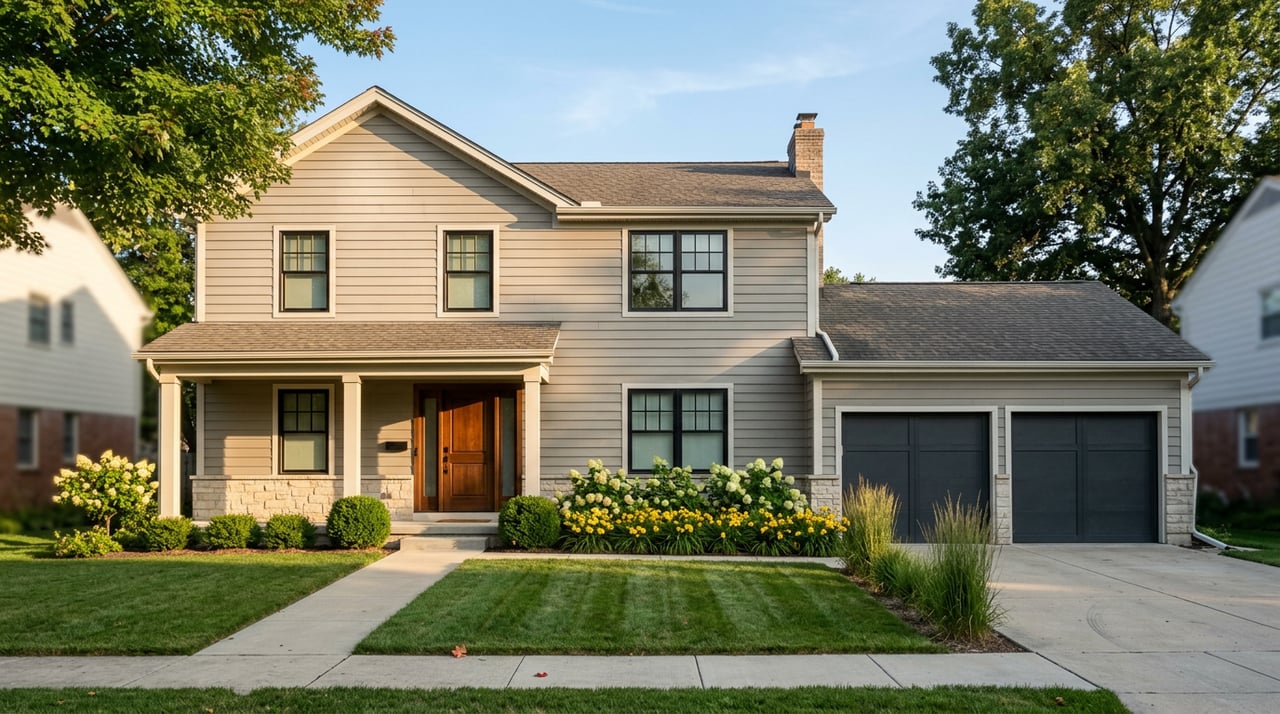
The post-WWII baby boom sent large portions of the population out to the burgeoning suburbs. As families grew, so did their homes. Ranch and split-level houses often featured the updated technology of the day, more open floor plans and attached garages, reflecting an emphasis on convenience as well as state-of-the-art living.
Today, traditional style blends with refined aesthetics and innovation, which are evident in modern farmhouse and contemporary designs. Energy efficiency, smart technology, and upgraded indoor/outdoor spaces continue to emphasize a balance between functionality and personal expression.
From the Frontier to Front Yards
Owning Real Estate Is the Foundation of Household Wealth
Since our nation's founding, U.S. economic growth has been tied to the purchase of houses and farmland.
In 1855, the concept of real estate agents and brokers evolved. The first brokerage opened in Chicago and is cited as the oldest continuously operating real estate company in the U.S.
President Abraham Lincoln signed the Homestead Act of 1862, which granted ranchers and farmers free land if they built a home and worked their acreage. As our economy moved from agriculture to manufacturing in the late 1800s, growing cities and urban culture created a market for home builders and smaller suburban lots.
After World War II, many farm families left rural areas for the cities. Demand for new housing shifted to areas where suburban lifestyles fueled the economy. In fact, real estate remains one of the largest components of household net worth in the U.S.
Currently, a return to city living has energized sustainable urban redevelopment, especially in the Sun Belt.
The Next 250 Years of American Housing
Let's admit it — we all thought we'd have flying cars and be living in houses above the clouds by now. We're not there yet, but human imagination has dreamed up some once-unfathomable features that are now commonplace. Builders in the 18th century couldn't have conceived of lighting at the flip of a switch, indoor plumbing or voice-controlled appliances. If the past 250 years have seen such dramatic transformations, what might the next 250 bring?
Today's smart-home features are likely just baby steps toward innovations that will completely redefine how a home looks and functions. Imagine a house that adapts to weather, becoming stronger in storms, then healing itself of any damage. Or better yet, moves itself before environmental catastrophes strike. Spaces that archive moments in time, allowing homeowners to revisit those memories at will. Dynamic square footage systems that grow or shrink based on changing family needs.
These things may seem as far-fetched now as a doorbell or a thermostat might have seemed in 1776. One thing is certain, though: Houses in 2276 will reflect the same enduring American ingenuity that has shaped the way we live for centuries.
What Makes a Property Historic?
Dreaming of owning a historic home? Before you fall in love with an old house full of character, it's important to understand that "historic" isn't just a fancy word for "old." According to Bankrate.com,potentially historic properties are evaluated based on criteria such as:
- Age — Typically, the property should be at least 50 years old, though age alone doesn't mean historic.
- Architecture — Original details are mostly intact and reflect a particular style.
- Associations — Historical events or significant people are connected to the property.
Criteria vary by state, so it's essential to work with a real estate professional who can help you navigate the process of buying your own piece of history.
The Land of Opportunity
Building More than a Home
Homeownership has long been tied to the idea of opportunity — and for good reason. Owning property is one of the most reliable ways to build long-term wealth, with homeowners holding a significantly higher net worth than renters.
Each mortgage payment builds equity, creating an excellent form of savings that grows over time. As property values rise, so does the accumulated equity, offering financial freedom to achieve future goals.
Owning property also provides stability, independence and connection. Fixed housing costs can help protect against inflation, while a permanent place to call home supports personal well-being.
From financial security to an improved quality of life, owning a home remains a powerful pathway to building not just wealth, but a more stable and fulfilling life.