Make Your Home Office a Deal-Closer
You've worked hard to get your house ready to sell. Everything is perfectly staged and ready for showings. But if you work remotely, your home office has to put in overtime to keep you productive and wow potential buyers. For many, a home office is a must-have, and with the right setup, it can be an efficient workspace and a selling point. Here's how to make it work for you — and its future CEO.
Dress for Success
An organized office helps buyers see themselves in charge. Keep your desk tidy with minimal decor and only the essentials needed for your job, such as a laptop or monitor. Use a cable management box to hide unsightly cords, and repurpose baskets for extra storage. Put printers and other equipment in an easily accessible cabinet or closet. If you handle confidential documents, secure them in a locked drawer or on a password-protected computer.
Stay in the Spotlight
Good lighting helps you with everyday tasks and showcases your office's best features. Position your desk near a window and open the blinds. Well-placed task lighting and lamps keep the area functional and inviting.
Highlight the Perks
Stylish wall decor or sleek shelving make the perfect backdrop for video calls. You'll love using it, and buyers will want to show it off as their own. Keep the color palette neutral, but add bright or contrasting accents for visual interest.
Update the User Manual
Make sure buyers leave with all the information they need. Provide a list with key details like existing smart-home technologies and internet service providers.
Are New Homes Getting Smaller?
Recent new-home trends prove that less really can be more. Today's thoughtful layouts and efficient designs keep floorplans functional without wasting space. As smaller, more affordable new builds gain acceptance, here's what buyers need to know.
The average size of new homes has been shrinking in recent years, down more than 150 square feet since 2021. According to a recent residential architecture survey, many entry-level new builds feature smaller kitchens and limited storage areas.
However, the survey also notes that flex spaces are gaining in popularity. These small rooms are perfect for reading nooks, home offices, walk-in pantries, craft areas, or gaming centers. Perhaps the most surprising shift is the reduction of lengthy hallways in many new floorplans. This smart strategy reduces square footage without reducing bedroom space.
Remember, when every square foot counts, clever design really can make less feel like more.
If Those Walls Could Talk ...
They'd tell you to trust a skilled real estate agent to guide you through these steps when selling an older home.
Invest in an Inspection
Hire a certified home inspector to identify issues prior to listing. This will generate credibility with buyers and could accelerate the entire selling process.
Prioritize High-Impact Improvements
Target cost-effective upgrades that generate appeal. New appliances, fresh paint and modern fixtures can add sparkle to the entire home.
Create Instant Curb Appeal
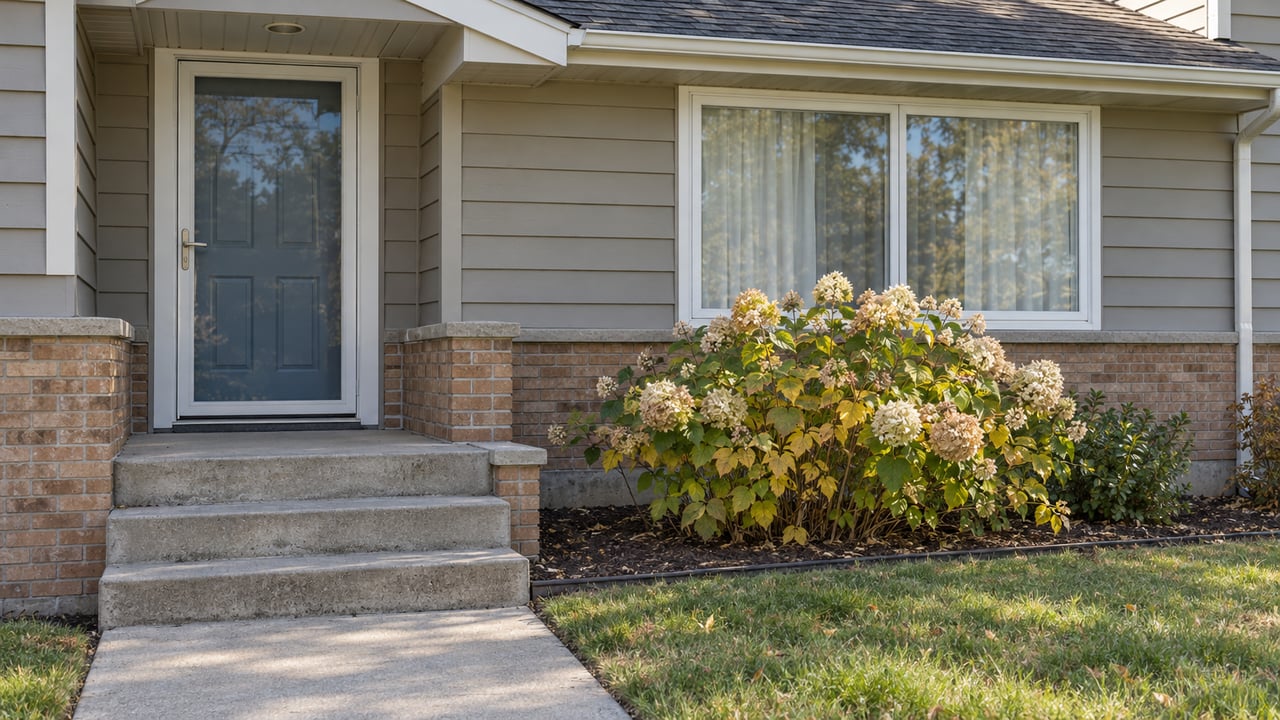
Keep the landscaping manicured and add cheerful flowers around the entrance. An attractive exterior reassures buyers the property has been well maintained.
Stage Strategically
Invite potential buyers to envision themselves living there by clearing clutter and incorporating neutral designs in key areas such as the kitchen, living room and bedrooms.
Set a Competitive Price
Work with a professional agent to consider the recent selling prices of comparable homes in the area. A competitively priced home typically generates more interest.
Target the Right Buyers
Market to investors and do-it-yourself enthusiasts by highlighting the property's charm, unique features and renovation potential.
Ready for Your Open House?
Minor Improvements with Major Impact
An open house should be your home's time to shine, and making just a few small adjustments can give you big advantages. Subtle touches create a welcoming vibe and show clear signs of a well-maintained home. Here are some easy, affordable fixes to get started.
- A new welcome mat and spotless entryway make a great first impression.
- Warm-toned light bulbs throughout the house create a cozy, inviting atmosphere.
- Crisp, white towels in each bathroom add an element of luxury and cleanliness.
- Simple place settings on the dining table help buyers picture themselves hosting in the space.
- A subtle citrus scent infuses the home with an appealing aroma without overpowering the senses.
Mortgage Pre-Approval 101
If you're eyeing a new home and curious how much you can borrow, getting pre-approved for a mortgage offers clarity. The process starts by sharing a few documents with your lender.
- A government-issued ID
- Recent pay stubs, W-2 or 1099 forms, and tax returns
- Bank and investment account statements
- Details about existing debts, like credit cards, student loans or car loans
The lender will assess your debt-to-income ratio (DTI), a measure of how much of your monthly income goes toward paying debts. Most lenders prefer a DTI below 36% because a lower ratio indicates stronger financial health.
Once pre-approved, you'll receive a formal notification stating your authorized loan amount, subject to final approval. This will reassure sellers you're financially prepared to make a legitimate offer.