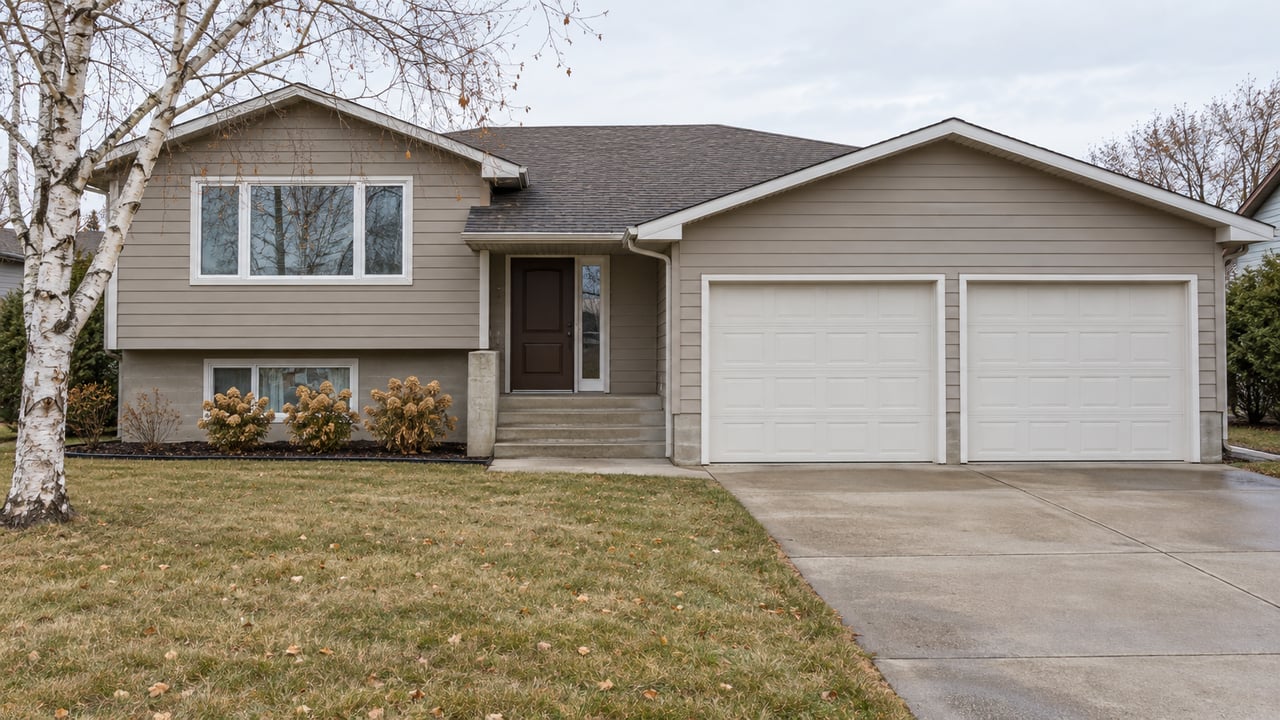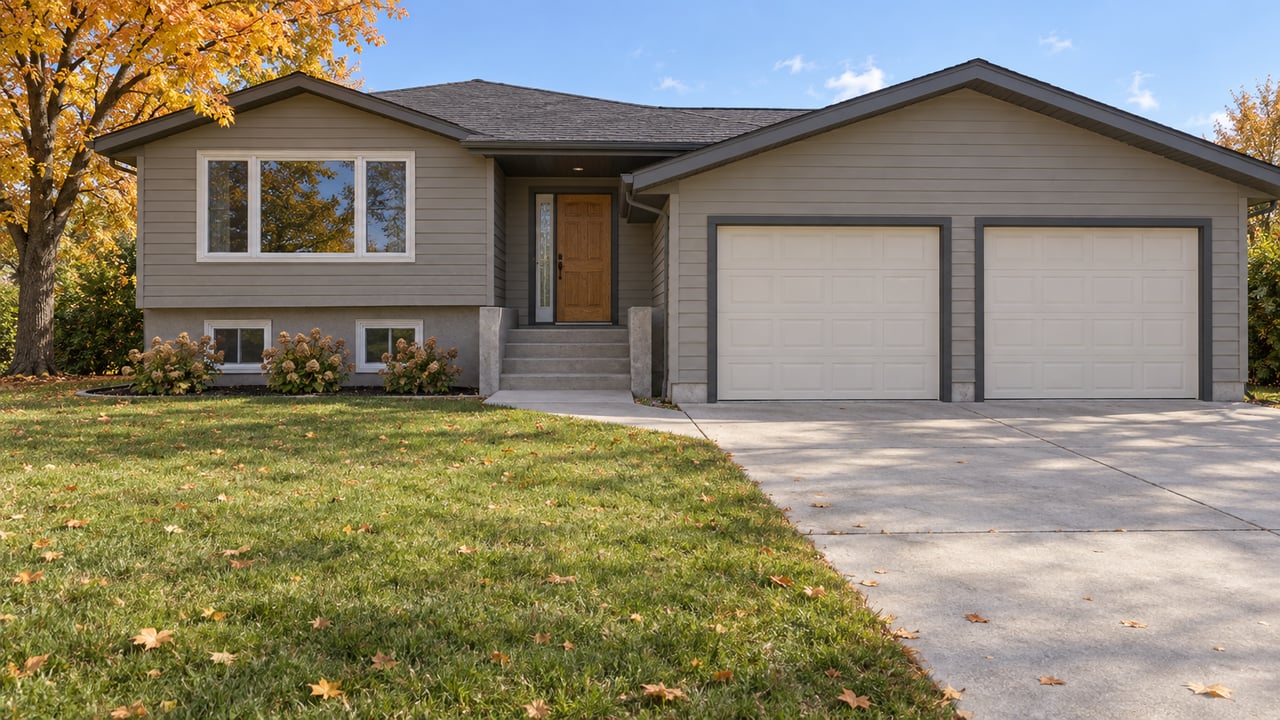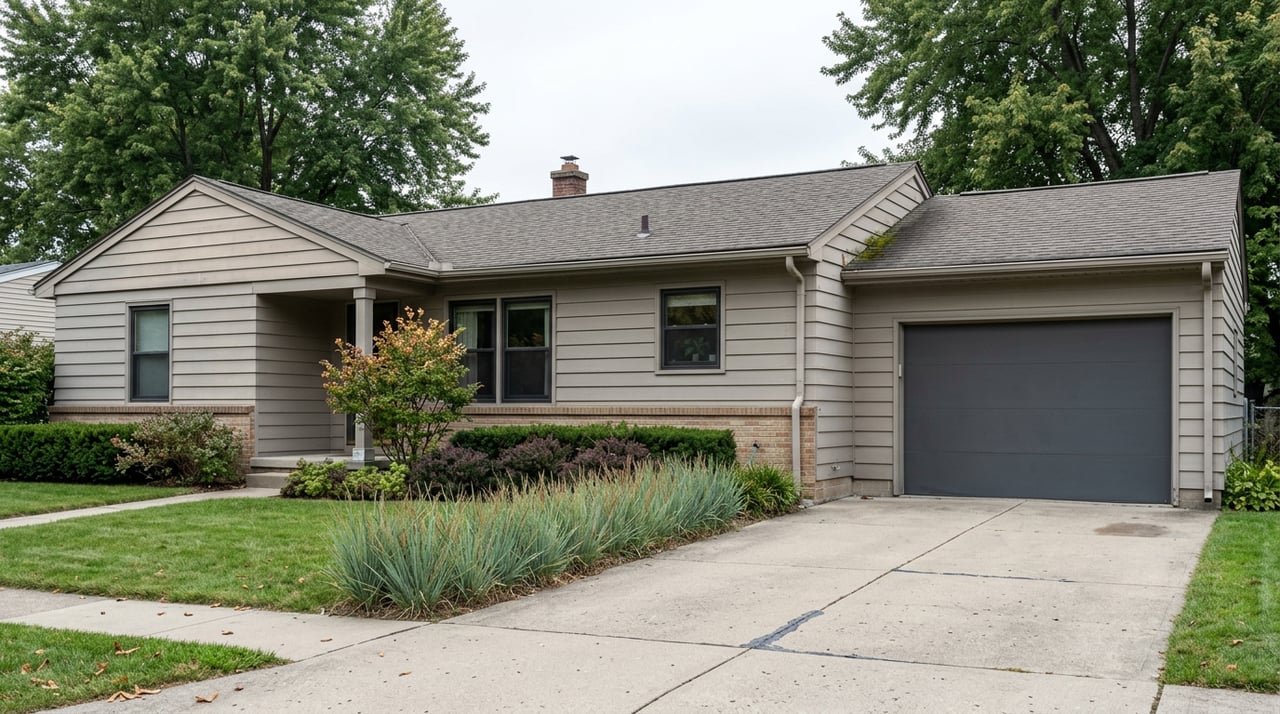
Picture a buyer under contract on a split-level in Sunset Pond, the kind of house that's been through two owners since the mid-1980s. The inspector spends four hours on site, walks the crawl space, tests the sump pit, photographs the panel, and sets a radon monitor in the lowest livable level before leaving. Forty-eight hours later, a report lands in the buyer's inbox that runs twenty-some pages with dozens of flagged items, a few photos of hairline cracks, a note about the water heater's age, and a radon number.
The buyer reads it and feels the floor drop out from under the deal. Almost none of it should.
Most of what shows up in a Burnsville inspection report is the house telling you how old it is. The leverage is in knowing which parts are actually surprising for a house that age.
The report will look alarming. Most of it isn't.
A standard Burnsville inspection runs three to four hours on site for a typical single-family home, stretching to four or five hours for an older split-level in a neighborhood like Tamarack or River Hills once sewer scope and radon get added to the visit. The inspector documents the basement walls, sump pump, and floor drains against the soil profile of the neighborhood, checks attic sheathing for moisture staining, opens the electrical panel and photographs it, and confirms bath and kitchen fans actually vent outside rather than dumping into the attic. Every one of those checks is standard practice, and every one of them will generate a line item in the report whether or not anything is actually wrong.
The volume of findings is not the signal. The signal is which findings are unusual for the house's age and which ones are simply what you'd expect from a home built in a particular decade on a particular kind of lot. A buyer who treats every flagged item as equally negotiable ends up either walking from a perfectly normal house or burning goodwill asking a seller to fix things that come standard with the era.
What Burnsville's building eras actually explain
Defect patterns in the south metro track the year a house was built and the soil it sits on more closely than they track which side of a city line it falls on. In Burnsville specifically, a few eras show up again and again:
| Era | What's normal to find | Where it concentrates |
|---|---|---|
| 1965 to 1976 | Aluminum branch wiring, not an automatic problem but one that affects insurance options unless every device connection uses approved connectors | Citywide, wherever this construction window wasn't rewired |
| 1970s and 80s | Federal Pacific or Zinsco electrical panels flagged for replacement evaluation | Wherever that decade's wiring was never updated |
| 1986 to 1995 | Polybutylene supply plumbing | Concentrated in Sunset Pond and similar-era subdivisions |
| Pre-1985 | Clay or cast-iron sewer laterals prone to root intrusion or cracking | Older neighborhoods including Heart of the City, Echo Park, River Hills, and Tamarack |
None of these are deal-breakers on their own. They're what a home from that decade looks like. The negotiating question isn't whether the item appears in the report. It's whether the item is worse than what its era predicts, or a straightforward candidate for a repair credit because it's genuinely failed rather than merely old.
What a Dakota County radon statistic does—and doesn't—tell buyers
Dakota County sits inside the EPA's Zone 1 radon classification, and the county's own public health department along with the City of Eagan both point to the same figure: about 40 percent of radon tests in Dakota County homes come back above the EPA's action level of 4.0 pCi/L. That statistic appears in local inspection company marketing, and it's accurate. Minnesota's radon law also explains what a seller must do about it.
Minnesota Statute 144.496, the Radon Awareness Act, requires a seller to disclose in writing any knowledge they have of radon concentrations before signing a purchase agreement. That disclosure has to include whether a test has ever occurred on the property, the most current test records if any exist, a description of any mitigation work, and a standard radon warning statement. The seller also has to hand the buyer a copy of the Minnesota Department of Health's publication on radon in real estate transactions.
Here's the part that changes how a buyer should actually read that paperwork. The law requires disclosure of what the seller knows. It does not require the seller to test. A seller who has lived in a Burnsville home for fifteen years and never once tested for radon can fill out the disclosure form accurately by writing that no test has occurred. The disclosure tells the buyer nothing about the actual radon level in the house they're about to buy.
The Minnesota Department of Health is explicit that testing is a recommendation, not a requirement, even though it applies that recommendation to every home buyer. The disclosure form closes an information gap about what the seller already knows. It does nothing to close the gap about what nobody has checked yet. That gap belongs to the buyer, and it only gets closed if the buyer tests during the inspection window.
Where the real leverage actually sits
This is the mechanism that matters more than the county-wide percentage. In a Burnsville transaction, the radon number that ends up shaping the negotiation is almost never the one on the seller's disclosure form. It's the one the buyer generates themselves, typically with a 48-hour continuous monitor placed during the inspection period under closed-house conditions, meaning windows and doors stay shut except for normal entry and exit for at least 12 hours before the test starts and through its full duration.
That test is the actual event that creates negotiating leverage, not the paperwork. A radon add-on to a standard inspection typically runs around $145 in the local market, and a full package combining a buyer's inspection with radon testing and a sewer scope, common for pre-1985 homes given the clay and cast-iron lateral risk, tends to land somewhere between $735 and $925 depending on the home's size and age. If a test comes back at or above 4.0 pCi/L, sub-slab depressurization mitigation is a well-established fix, with statewide cost estimates generally falling between $1,500 and $3,000. None of that is exotic. It's a known, budgetable cost that either gets negotiated into the deal or handled after closing.
The point isn't that radon should scare anyone off a Burnsville purchase. Roughly six in ten local tests come back under the action level, and mitigation is routine and effective when it's needed. The point is that the seller's disclosure form was never going to tell a buyer whether their specific house is in that 40 percent. Only their own test does that, and skipping it because the disclosure form said "never tested" is skipping the one step that actually produces information.
Reading the report like a negotiator
Put the era table and the radon mechanism together and a Burnsville inspection report sorts into three categories pretty cleanly:
- Vintage-normal, not worth a fight. Aluminum wiring in a 1970 build, an original Polybutylene line in a Sunset Pond townhome, a clay sewer lateral in a pre-1985 Echo Park rambler. These are expected. They're worth knowing about for insurance and maintenance planning, not worth derailing a negotiation over.
- Genuinely anomalous for the era, real leverage. A Federal Pacific panel that was supposed to be replaced during a prior renovation and wasn't, active moisture intrusion beyond what the soil profile would predict, a sewer lateral that's already showing root intrusion on camera rather than just being old enough to warrant a look.
- Unknown until tested, and worth testing. Radon sits here by design. The disclosure form tells a buyer what the seller knows, which in a lot of Burnsville transactions is simply nothing, and the only way to move it into the second category or rule it out entirely is the buyer's own 48-hour monitor.
Burnsville's market in August 2026 carried a median list price of $374,000, with homes spending a median of 32 days on the market, the same pace as a year earlier. That's a market with enough competition that buyers don't have unlimited room to ask for concessions on every line item in an inspection report. Spending that leverage on something the house's age already explains is leverage wasted. Spending it on the item that's genuinely out of pattern, or on the radon result the buyer generated themselves, is leverage used where it actually counts.
A few questions that come up often
Does a Burnsville seller have to test for radon before listing? No. Minnesota law requires disclosure of any radon information the seller already has. It doesn't require a pre-listing test. Many sellers have simply never tested.
If the seller never tested, does the buyer have any recourse later? The law addresses a seller's duty to disclose radon information they actually possess.
Is a sewer scope worth adding for every Burnsville purchase? It's most relevant for homes built before 1985, where clay and cast-iron laterals are common enough that root intrusion and cracking show up regularly in local inspection reports. Newer homes on modern PVC lines carry much less of that risk.
A home inspection report can look like a wall of red flags. In Burnsville, most of that wall is just the house's birth year talking. Knowing which parts of the report are ordinary for the era, and knowing that the radon number worth trusting is the one you generate yourself rather than the one on the disclosure form, is what turns a long report into a short, useful negotiation.
If you're getting ready to buy or sell in Burnsville and want a second read on what an inspection report actually means for your offer, Michael Finstad has spent more than 25 years walking southern Twin Cities buyers and sellers through exactly this kind of decision. Schedule a free consultation and home valuation to talk through your specific property before you're staring at a report under a deadline.
This article is general information, not legal, tax or financial advice. Consult a qualified professional about your situation.